Paints, Coatings, Inks & Adhesives
Paint, ink and adhesive makers use hydrocarbon and aromatic solvents to dissolve resins and set drying speed, and waxes for slip and tack. The right choice depends on the resin, the application method and how fast the film must dry.
Application requirements
Toluene and mixed xylenes are strong aromatic solvents for alkyd, epoxy, acrylic and other resin systems: toluene evaporates quickly and suits printing inks, lacquer thinners and contact adhesives, while xylenes evaporate more slowly and suit epoxy, alkyd, automotive and industrial finishes. White spirit, also traded as mineral turpentine, is the thinner for alkyd paints, varnishes and wood stains. n-Hexane, isohexane and n-heptane dissolve natural and synthetic rubber in contact adhesives and rubber cements, and methylcyclohexane and cyclohexane give toluene-free alternatives for adhesives and coatings. Isopropanol is used in inks, coatings and thinners, and dipropylene glycol in printing inks. Fischer-Tropsch and oxidised polyethylene waxes add rub resistance, slip and gloss to inks, coatings and polishes, and with microcrystalline wax and slack wax MMO they build hot-melt adhesives and coatings. Low extract oil softens sealants, mastics and rubber-based adhesives, and PVC paste resin is the base of automotive plastisol sealants and underbody coatings.
Specification checkpoints
Solvents are specified by purity or aromatic content, distillation range, density, flash point, colour, water and non-volatile residue, with benzene content checked in aliphatic grades. The toluene in this range distils within 1 °C including 110.6 °C with non-aromatics max 1.5 vol %, the mixed xylenes have an initial boiling point min 137 °C and a dry point max 143 °C, and the white spirit carries aromatics max 8.0 vol % with a negative doctor test. Solvency is often compared by Kauri-butanol value and drying by evaporation rate relative to n-butyl acetate. Waxes are specified by drop or congealing point, penetration, melt viscosity and, for oxidised grades, acid value. Under the EU paints directive, any organic compound with an initial boiling point at or below 250 °C at standard pressure counts as a VOC, which includes all the solvents in this range.
Grade selection
Decorative alkyd paints and stains are thinned with white spirit. Industrial epoxy and alkyd coatings usually run on xylenes, with toluene added where a faster flash-off is needed. Gravure and flexographic inks combine toluene or isopropanol with wax additives for rub resistance. Contact adhesives use n-hexane, isohexane or n-heptane, or methylcyclohexane where toluene must be avoided, and hot-melt adhesives combine microcrystalline and Fischer-Tropsch waxes with the resin system.
Handling and documentation
The hydrocarbon solvents here are flammable liquids that accumulate static charge, and isopropanol is highly flammable: store them in closed containers away from ignition sources, earth and bond equipment during transfer, and limit splash filling. n-Hexane can damage peripheral nerves after repeated exposure, which is why isohexane and n-heptane often replace it. Toluene carries a reproductive-toxicity classification, and REACH Annex XVII restricts it to below 0.1% in adhesives and spray paints sold to the general public. Check the workplace exposure limits that apply at your site, provide ventilation at mixing and filling points, and request the specification, safety data sheet and a sample before scale-up.
Products for Paints, Coatings, Inks & Adhesives
Mixed Xylenes (Nitration Grade)
A blend of the three xylene isomers plus ethylbenzene, cut from reformate with an initial boiling point of min 137 °C, a dry point of max 143 °C and max 4.0 vol % non-aromatics: the slower-evaporating aromatic solvent for coatings, resins and EC pesticides.
Pure Toluene (Nitration Grade)
Nitration grade toluene from refinery reformate, with non-aromatic hydrocarbons capped at max 1.5 vol % and a distillation range within 1°C (including 110.6°C), serving paint and ink thinners, contact adhesives and DNT/TDI production.
Solvent Oil (Mineral Turpentine / White Spirit)
A bright, clear petroleum solvent of Pakistani origin, sold as mineral turpentine or white spirit, for thinning alkyd paints and varnishes and for cleaning and degreasing. Aromatics are limited to 8.0 vol % and sulphur to 0.05 wt %, and the doctor test is negative.
Methylcyclohexane
Methylcyclohexane (CAS 108-87-2), 99.5% minimum and typically 99.9%, with toluene 10 ppm max and benzene not detected. Made by hydrogenating toluene, it gives adhesive, coating and extraction users toluene-like solvency without the aromatic ring.
Cyclohexane
Cyclohexane (CAS 110-82-7) of 99.9% minimum purity, benzene 50 mg/kg max. The starting material for KA oil in the nylon 6 and nylon 6,6 chain, and a non-aromatic solvent for resins, rubber and coatings. Note its freezing point of 6.5 °C.
Isohexane
Isohexane (CAS 107-83-5), at least 98% branched C6, mainly 2- and 3-methylpentane, with n-hexane limited to 1.5% and benzene to 1 ppm. A fast-evaporating alternative for adhesive, cleaning and extraction users who need to remove n-hexane exposure.
n-Hexane
n-Hexane (CAS 110-54-3) offered at 60, 70, 80, 97 and 99% minimum n-hexane content, boiling at 64–70 °C with benzene at 0.01% max. The 60–80% grades serve oilseed extraction; the 97% and 99% grades suit pharmaceutical and polymer work.
n-Heptane
n-Heptane (CAS 142-82-5) at 99% minimum, with total aromatics 50 ppm max and sulphur 1 ppm max; a 97% grade can also be supplied. It sets zero on the octane scale and is the usual lower-toxicity substitute for hexane in pharmaceutical processing.
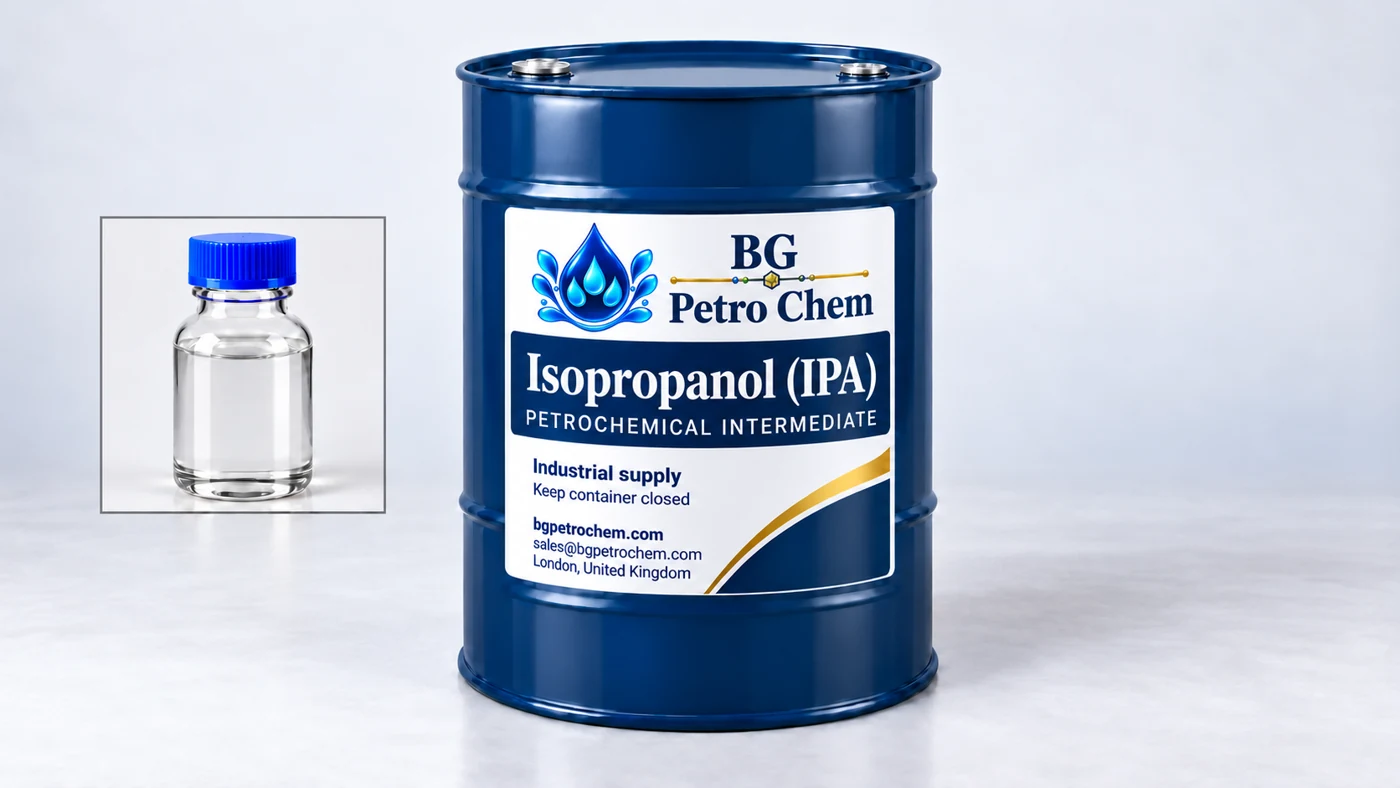
Isopropanol (IPA)
Isopropanol (IPA, CAS 67-63-0) at 99.9% minimum purity: a fast, clean-evaporating solvent for electronics and precision cleaning and for pharmaceutical, coating and ink processes, and the base that sanitiser makers dilute to about 70%. In 160 kg drums or ISO tanks.
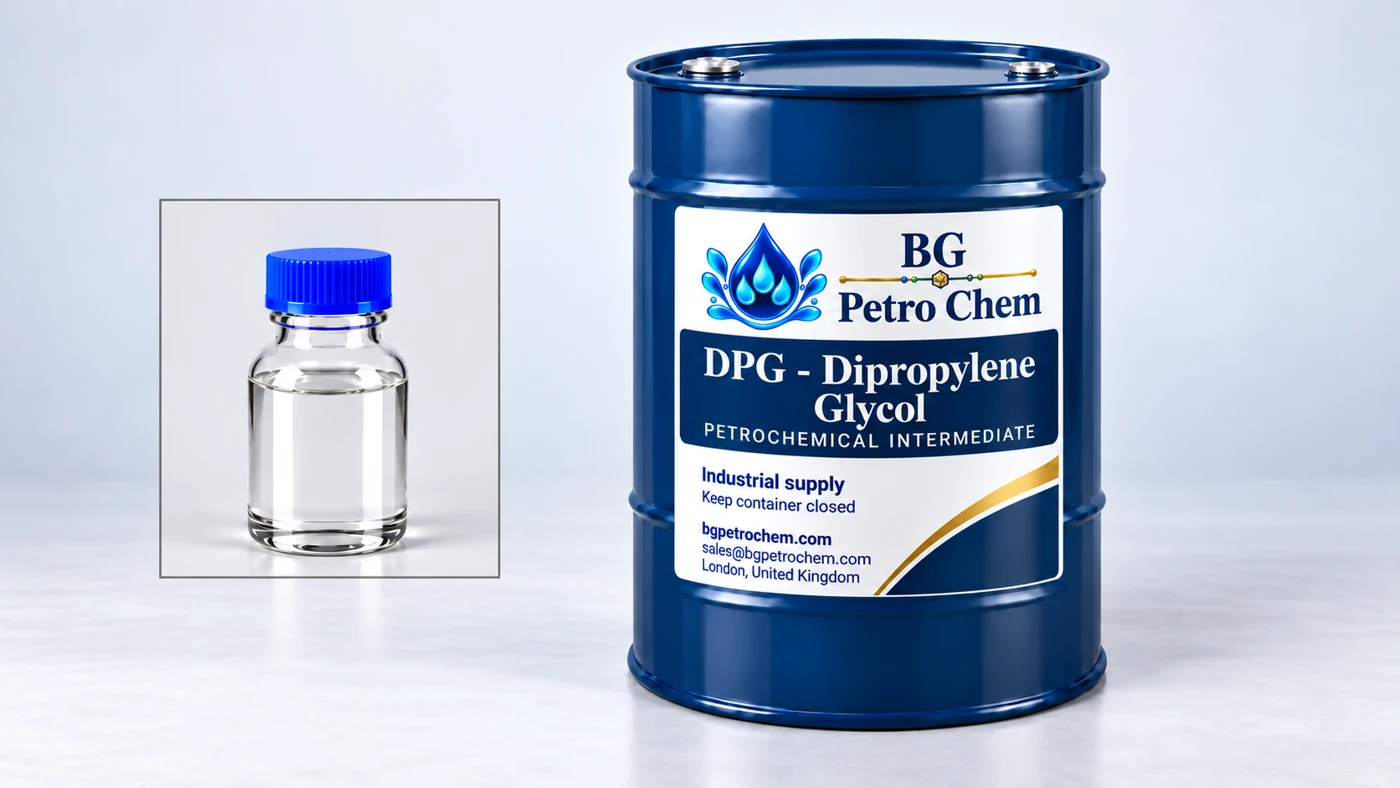
DPG - Dipropylene Glycol
Dipropylene glycol (DPG; CAS 25265-71-8, EINECS 246-770-3), an isomer mixture at typically 99.5% min purity, in industrial and low-odour fragrance grades: the standard perfume diluent and a diol for unsaturated polyester and alkyd resins.
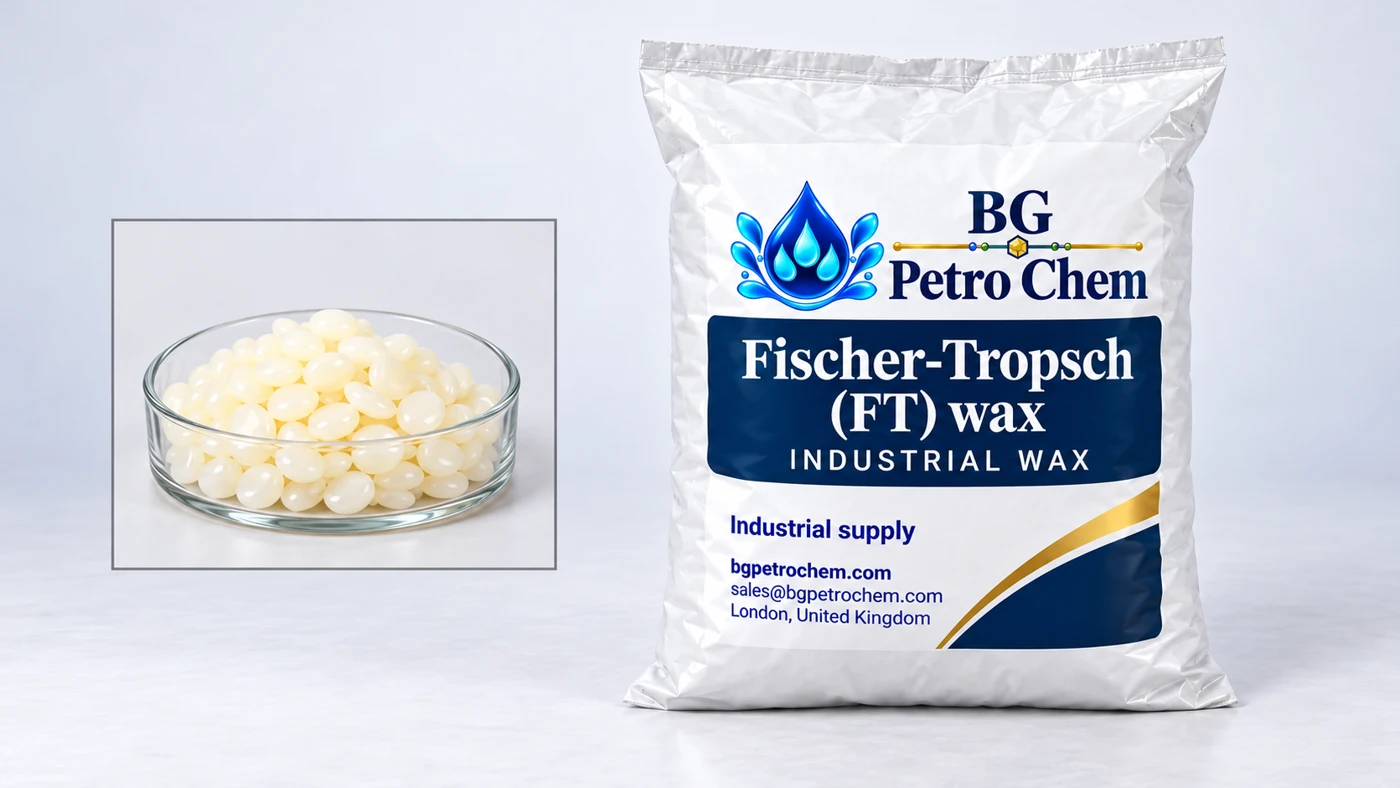
Fischer-Tropsch (FT) wax
FT wax is a high-purity synthetic paraffin made from syngas, with a narrow carbon-chain spread, very low oil content, a high melting point and low melt viscosity. It adds hardness and lubrication to PVC, hot melts, inks, coatings and bitumen.
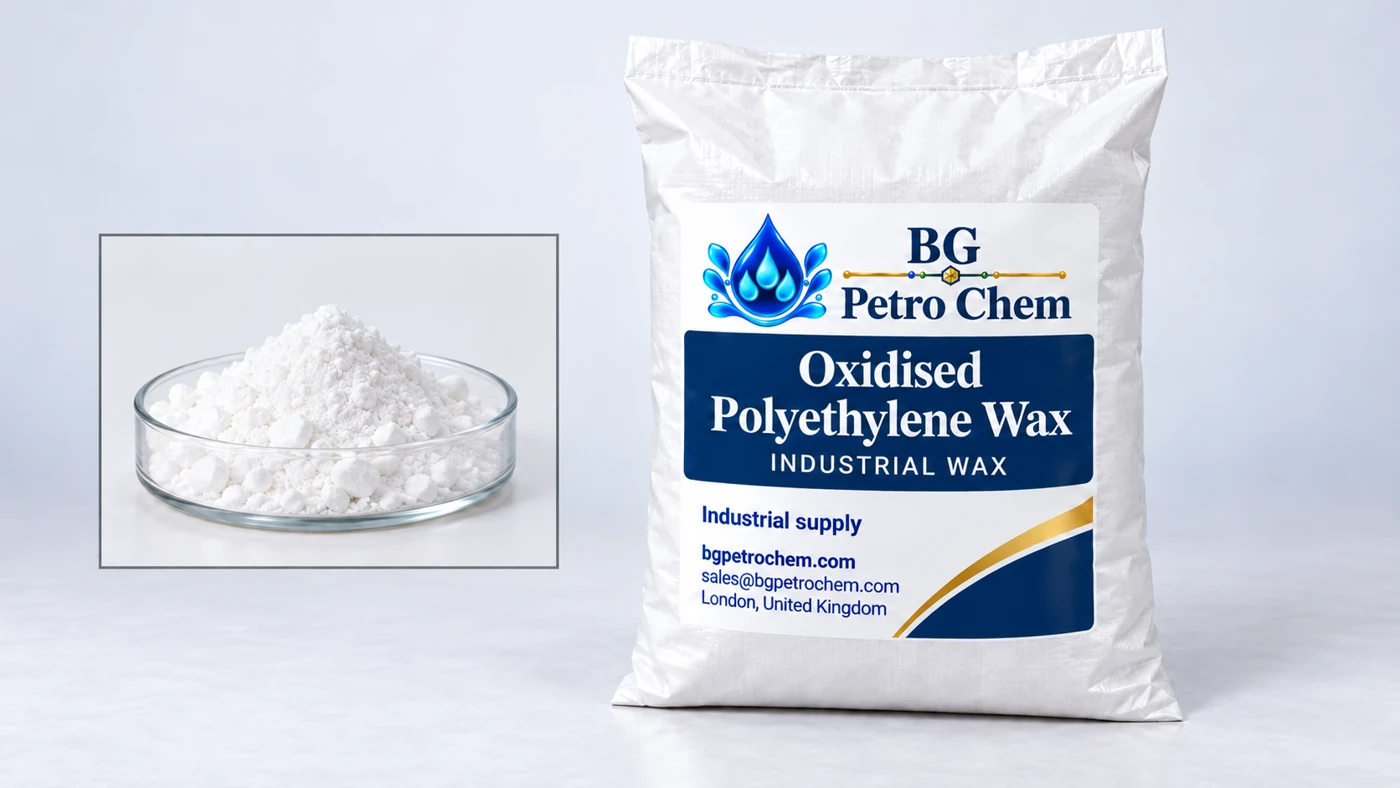
Oxidised Polyethylene Wax
Oxidised polyethylene wax is a low molecular weight HDPE wax given carboxyl and hydroxyl groups by controlled air oxidation. That polarity lets it wet pigments and disperse fillers while it lubricates, which plain PE wax cannot do.
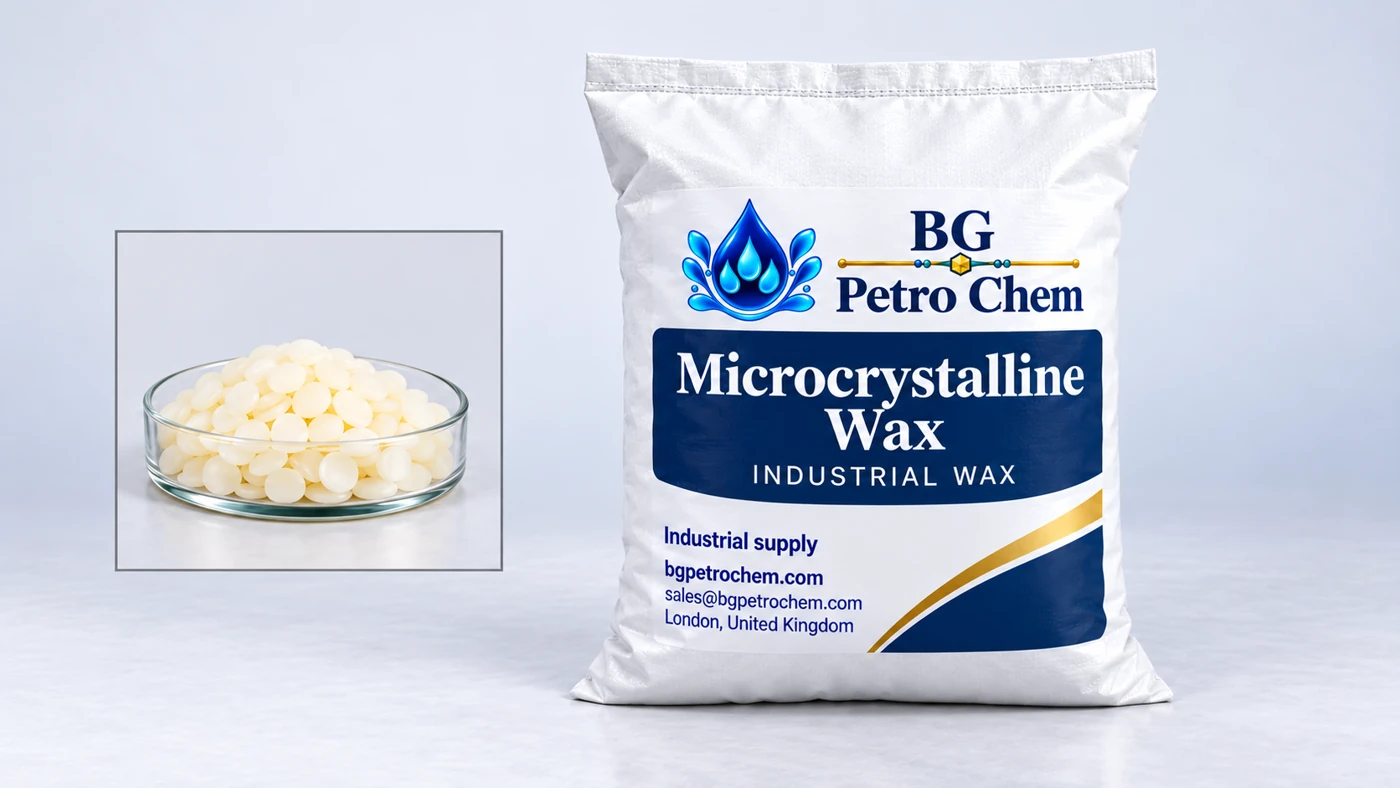
Microcrystalline Wax
Built from branched isoparaffins and cyclic naphthenes, microcrystalline wax (CAS 63231-60-7) is a petroleum wax whose molecules pack poorly. Only very small crystals form, so it is flexible, tough and tacky and binds far more oil than brittle paraffin.
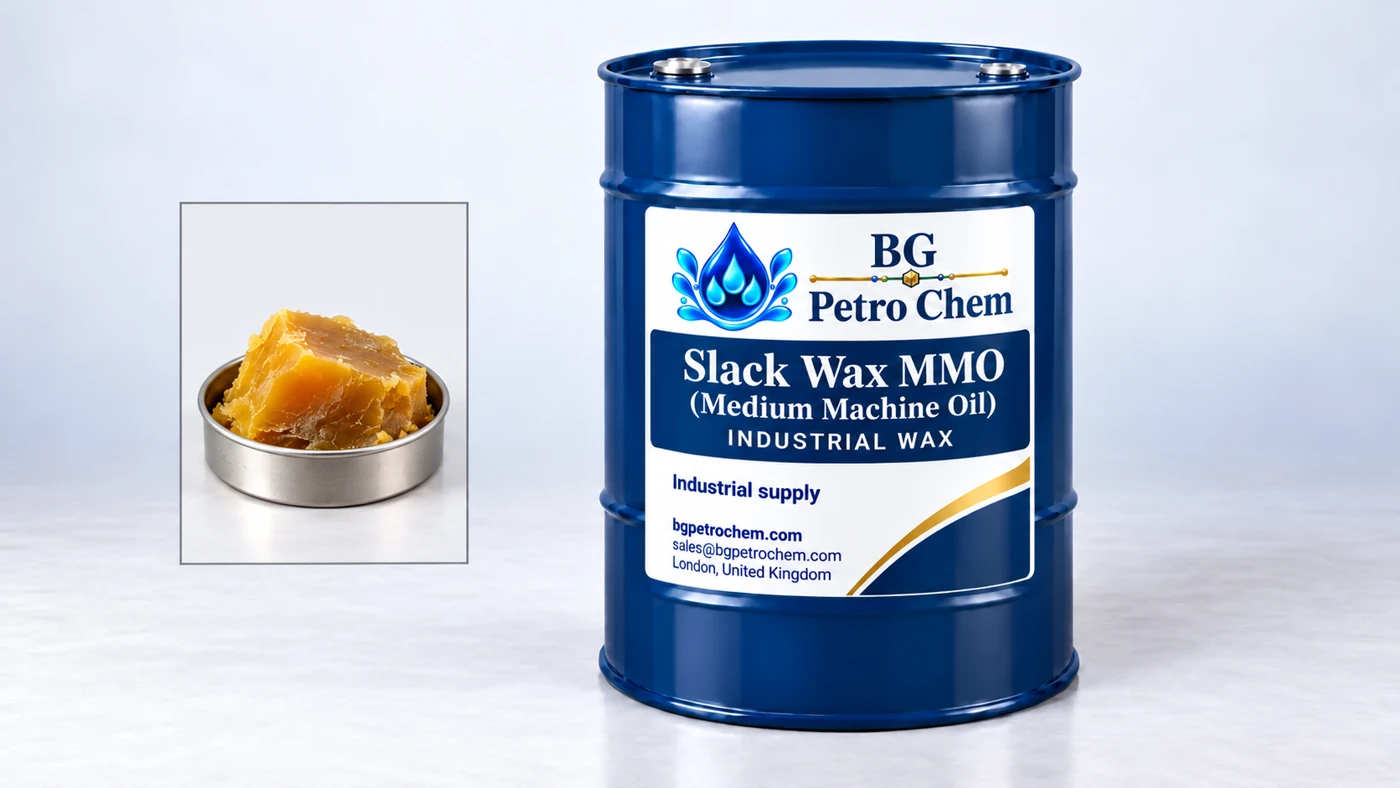
Slack Wax MMO (Medium Machine Oil)
Slack Wax MMO (CAS 64742-61-6) is taken from the medium machine oil distillate. With a 58–64°C melting point, 5–15% oil and 8.3–9.4 cSt at 100°C, it is firmer than LMO and SPO and suits uses that need a heavier wax feedstock.
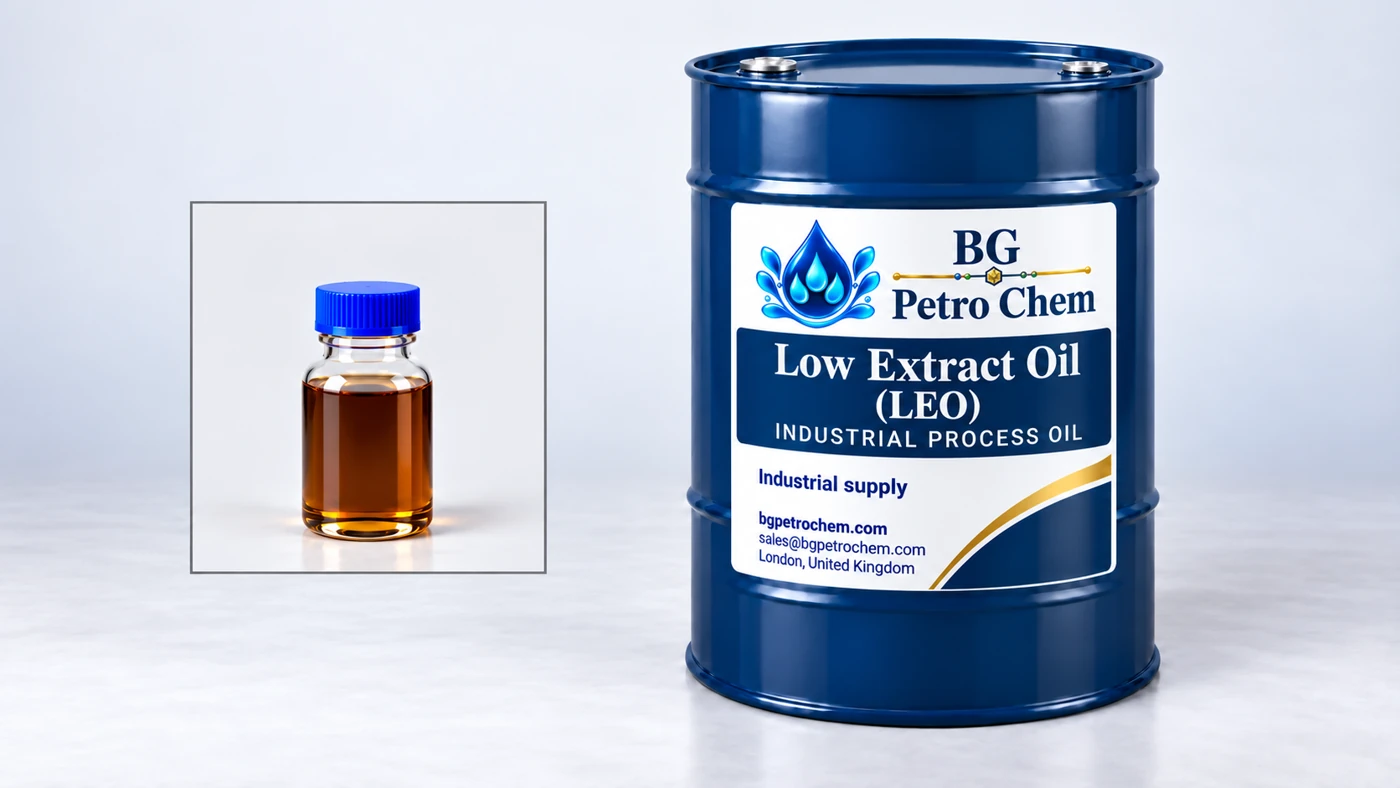
Low Extract Oil (LEO)
A thin extract oil that softens and extends EVA soles, sealants, adhesives and lighter polymer compounds without long mixing cycles. Low Extract Oil (LEO) has a viscosity floor of 2.5 cSt at 100 °C, a COC flash point of min 150 °C and specific gravity max 1.10.
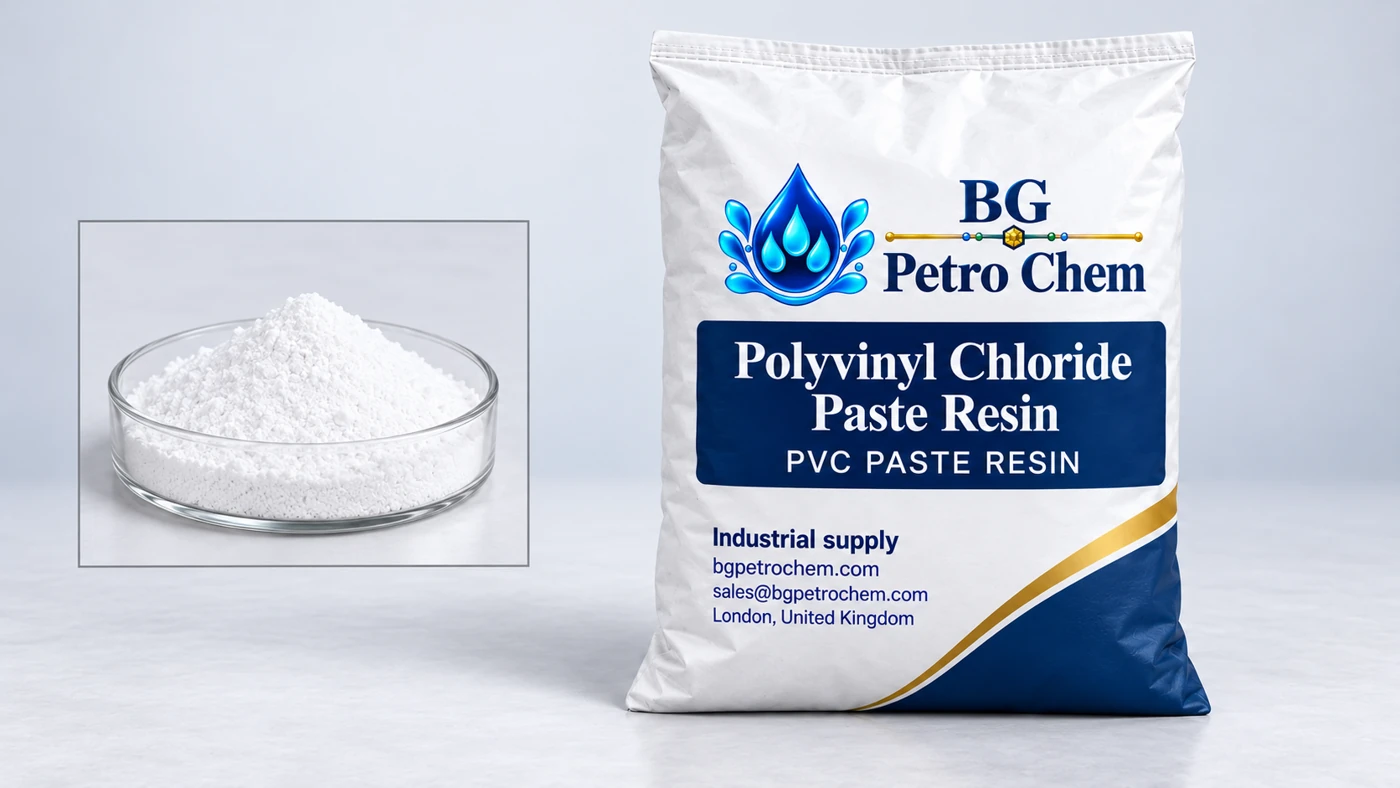
Polyvinyl Chloride Paste Resin
PVC paste resin made by emulsion or microsuspension polymerisation. It disperses in plasticiser to form plastisols for coating, dipping and rotational moulding, and is offered in many grades from producers in China, packed in 20 kg bags.
Need a Custom Solution?
Contact our team to discuss your specific requirements for the Paints, Coatings, Inks & Adhesives industry.