Plastics & PVC Compounding
PVC compounders, calenderers, plastisol users and masterbatch makers blend resin, plasticisers and waxes to set flexibility and processing. The plasticiser also decides the regulatory position of the finished product.
Application requirements
Suspension PVC resin is graded SG1 to SG8 by K value: the lower SG numbers carry higher molecular weight and suit flexible film, cable and soft products, SG5 is the general-purpose grade for pipe, profile and conduit, and SG7 and SG8 suit bottles, rigid injection moulding, sheet and foam board. Paste resin, made by emulsion or microsuspension polymerisation, disperses in plasticiser to form a plastisol for spread-coated synthetic leather, flooring, wallpaper, dipped gloves, rotational moulding and automotive sealants. Among plasticisers, DINP is a widely used general-purpose phthalate for flooring, cable, film and coated fabrics, DOTP is the non-phthalate replacement for DOP, DPHP gives low volatility and good electrical properties, DOA gives low-temperature flexibility to around minus 40 °C, and TOTM's three ester groups make it the choice for cable rated to continuous high temperature. Polyethylene and Fischer-Tropsch waxes act as external lubricants and release agents, and oxidised polyethylene wax adds the polarity needed to wet pigments and fillers in masterbatches and highly filled compounds.
Specification checkpoints
For suspension resin, agree K value, bulk density, volatile matter, plasticiser absorption, particle size and gel-particle count, and for paste resin, paste viscosity at a stated plasticiser level and particle size. Plasticisers are specified by ester content, acid value, colour on the Pt-Co scale, water, specific gravity and volatility, with volume resistivity added for cable compounds. Waxes are specified by drop or melting point, melt viscosity, density and, for oxidised grades, acid value, which for the oxidised polyethylene wax in this range is typically about 15 to 30 mg KOH/g.
Grade selection
Rigid pipe and profile formulations typically start from SG5 resin with a balanced wax lubricant package. Flexible cable compounds combine resin with DINP, DOTP or DPHP, or with TOTM for high-temperature ratings. Flooring and coated fabrics use DINP or DOTP with suspension or paste resin, and DOA is blended in where hoses and films must stay flexible in the cold. Toys and childcare articles generally use DOTP.
Handling and documentation
DOP (DEHP) and DBP are classified as toxic for reproduction and are on the REACH authorisation list, and they are restricted in many articles under REACH Annex XVII; equivalent entries apply under UK REACH. DINP is restricted in toys and childcare articles that can be placed in the mouth, and EU RoHS limits DEHP and DBP in electrical and electronic equipment to 0.1% by weight of homogeneous material. Check the end use and destination before choosing a phthalate. PVC resin and wax powders can form combustible dust clouds, so use dust extraction and earth conveying equipment. Keep resin dry, and store plasticisers in clean, closed tanks or drums away from strong oxidisers. Request the specification, safety data sheet and a sample before qualifying a new grade.
Products for Plastics & PVC Compounding
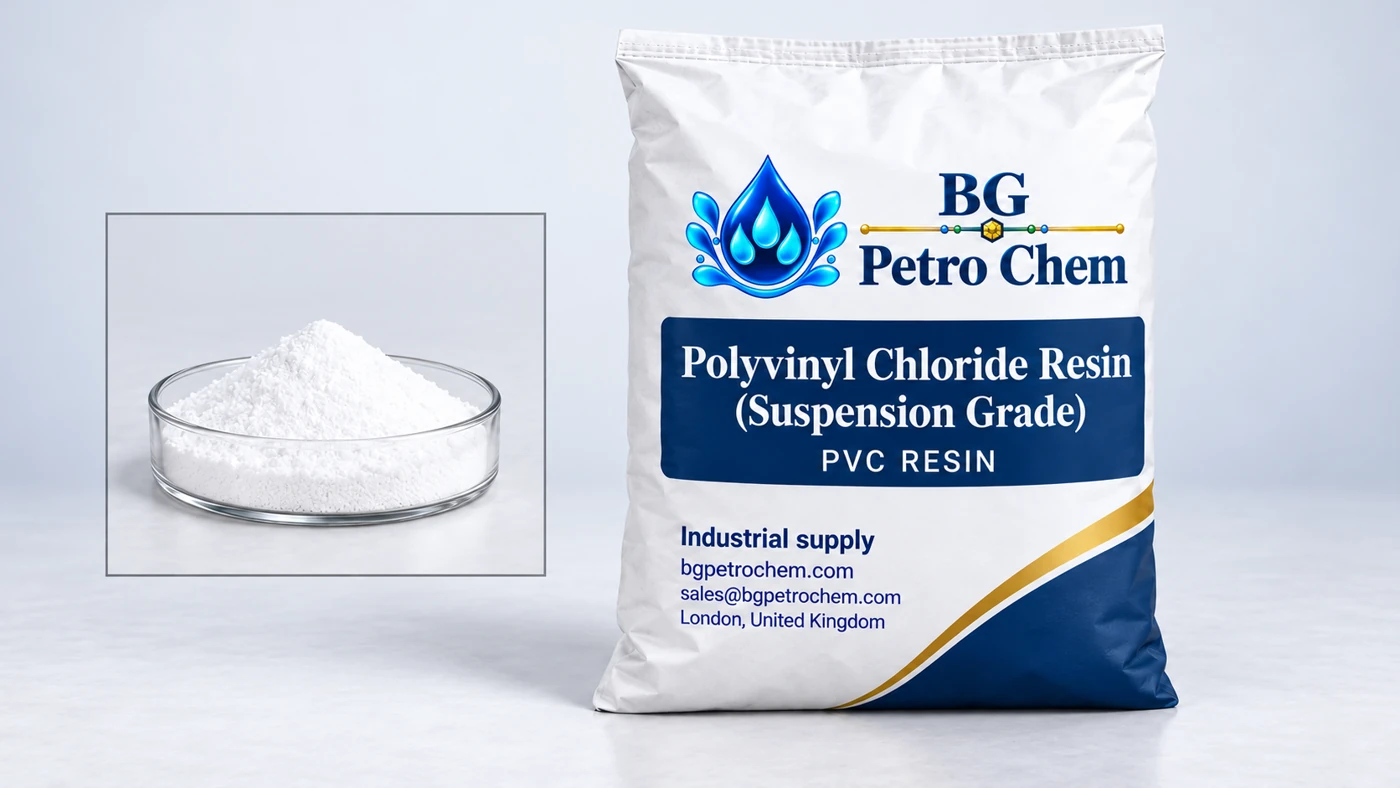
Polyvinyl Chloride Resin (Suspension Grade)
White suspension PVC powder (CAS 9002-86-2) in the Chinese SG grading, from SG1 (highest K value) to SG8 (lowest). SG5, the mid-range grade, covers most pipe, profile and rigid sheet. Produced by major manufacturers in China and packed in 25 kg bags or jumbo bags.
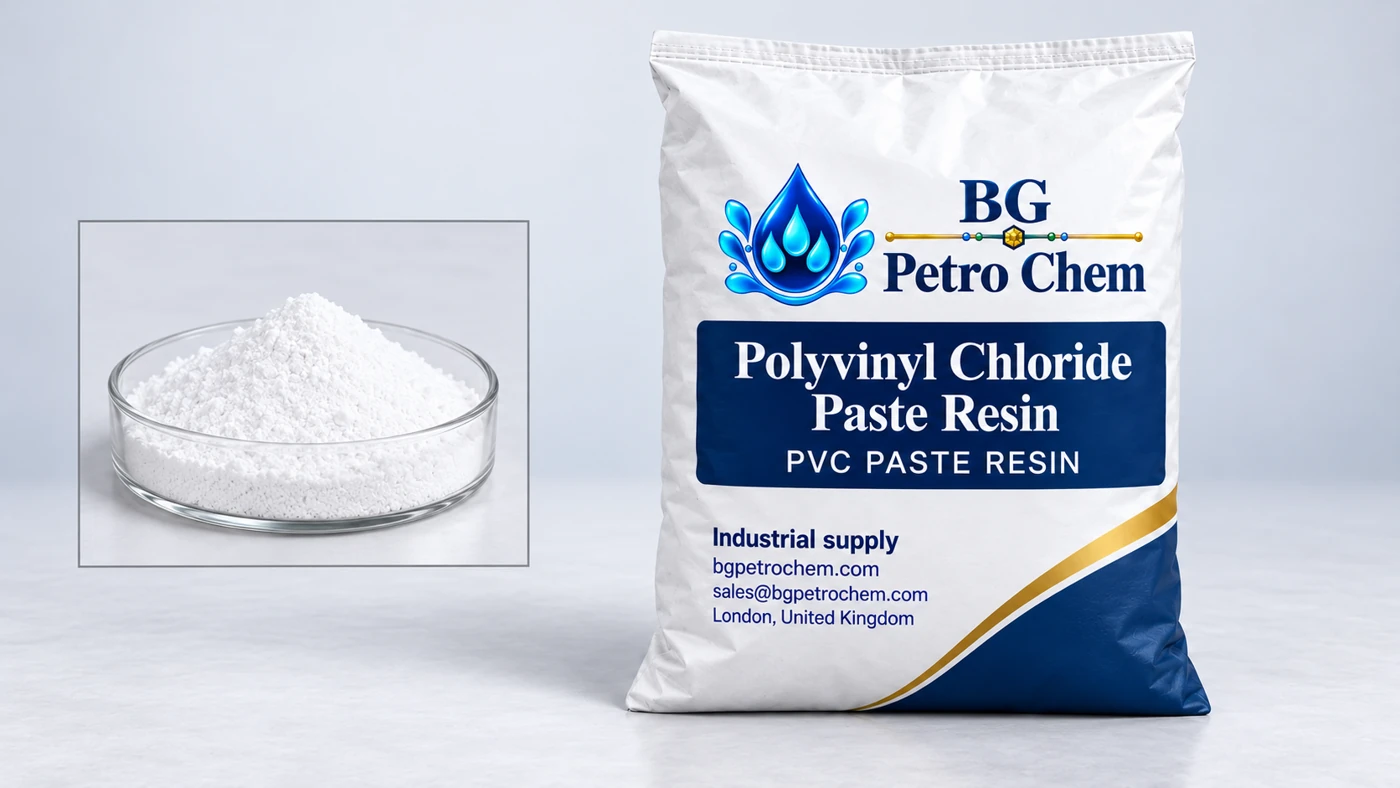
Polyvinyl Chloride Paste Resin
PVC paste resin made by emulsion or microsuspension polymerisation. It disperses in plasticiser to form plastisols for coating, dipping and rotational moulding, and is offered in many grades from producers in China, packed in 20 kg bags.
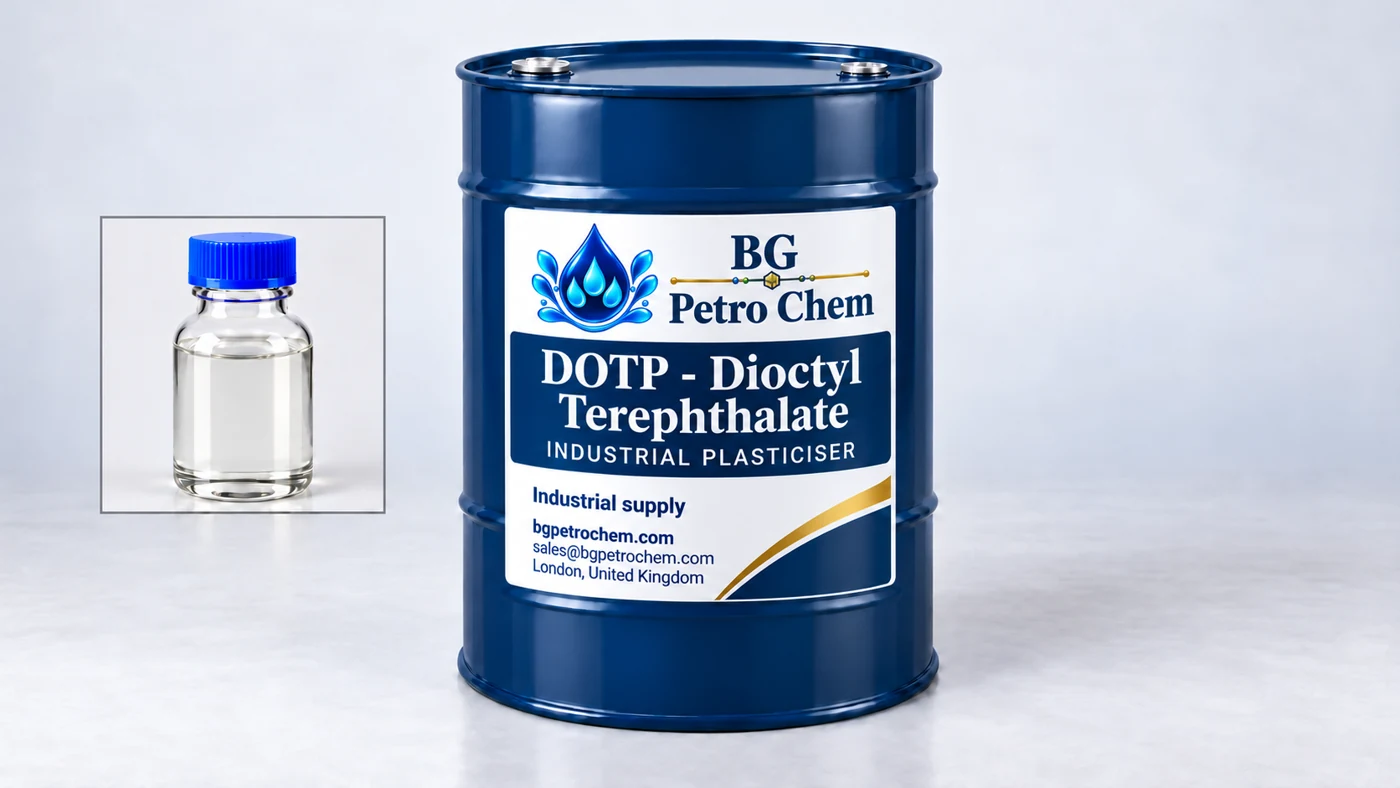
DOTP - Dioctyl Terephthalate
DOTP (dioctyl terephthalate, CAS 6422-86-2) is a general-purpose PVC plasticiser that is not an ortho-phthalate and is the main substitute for DEHP/DOP. It offers low volatility, good cold flexibility and good electrical properties for cable, film and flooring.
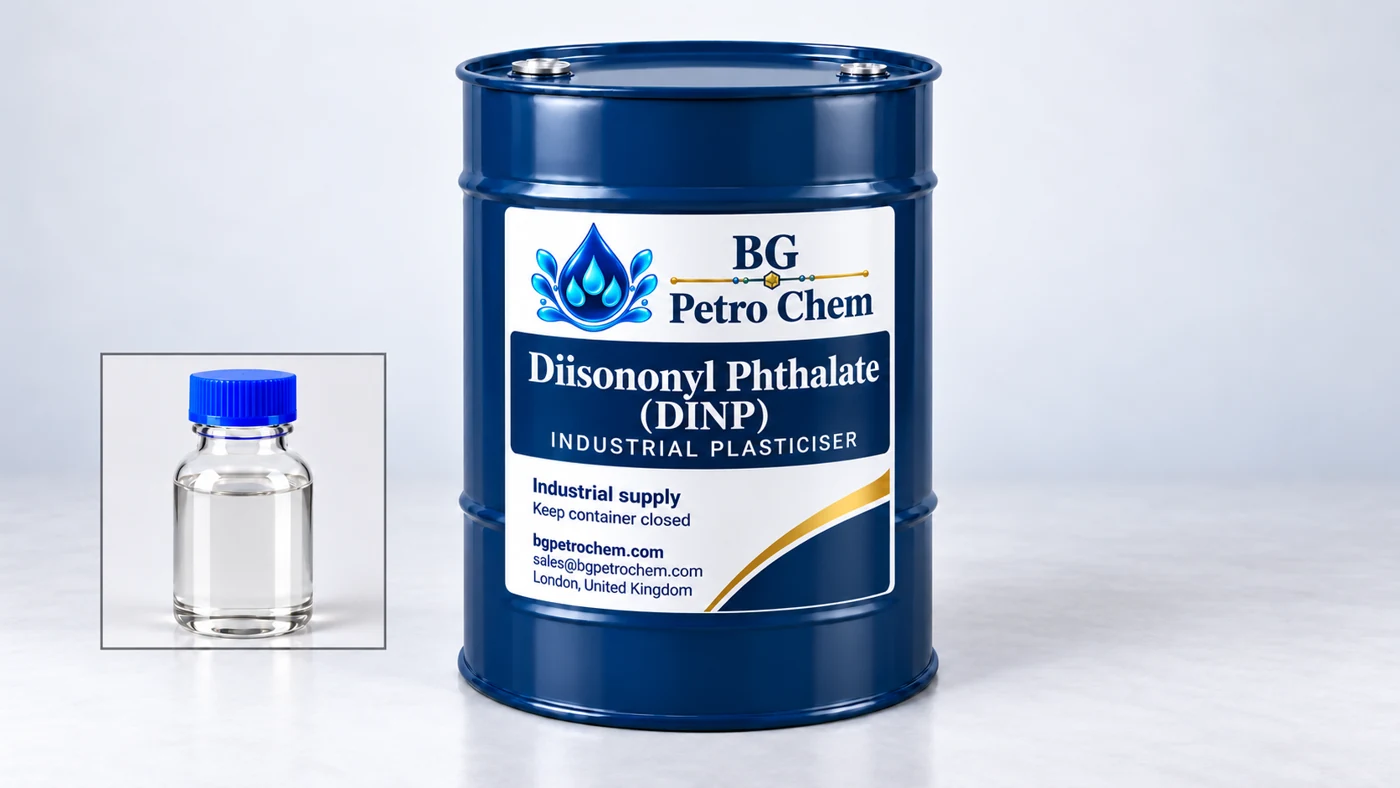
Diisononyl Phthalate (DINP)
Diisononyl phthalate (DINP, CAS 28553-12-0 / 68515-48-0) is a high molecular weight PVC plasticiser. Its longer branched chains make it less volatile and harder to extract than DEHP. It is limited to 0.1% in toys and childcare articles that children can mouth.
Di(2-propylheptyl) Phthalate (DPHP)
DPHP (CAS 53306-54-0) is a high molecular weight phthalate made from a branched C10 alcohol, chosen for low volatility and migration and good electrical resistivity in PVC cable insulation. It sits outside the low molecular weight group that carries the reproductive-toxicity classification.
Trioctyl Trimellitate (TOTM)
Trioctyl trimellitate (TOTM, CAS 3319-31-1) is a low-volatility PVC plasticiser with three ester groups and a high molecular weight. It is used for cable rated to continuous service at 105 °C and 125 °C, for automotive wiring and for medical tubing.
Dioctyl Adipate (DOA)
Dioctyl adipate (DOA/DEHA, CAS 103-23-1) is an aliphatic PVC plasticiser. Its flexible chain keeps compounds pliable to around minus 40 °C, which suits cling film, freezer bags, and cable and hose for cold climates.
Dioctyl Phthalate (DOP)
Dioctyl phthalate (DOP, or DEHP; CAS 117-81-7) was long the reference general-purpose PVC plasticiser. It is classified in the EU as toxic for reproduction, category 1B, and listed in REACH Annex XIV, so supply depends on authorisation and a permitted end use.
Dibutyl Phthalate (DBP)
DBP (dibutyl phthalate, CAS 84-74-2) is a fast-gelling ortho-phthalate plasticiser whose small molecule solvates PVC and nitrocellulose strongly. Classified in the EU as toxic for reproduction (category 1B) and listed in REACH Annex XIV, it is offered only where the end use is authorised in the destination market.
Polyethylene Wax (PE wax)
Polyethylene wax (CAS 9002-88-4) is a polyethylene of low molecular weight with a melting range of about 100–130 °C. It lubricates PVC, PE, PP and EVA compounds, lowers melt viscosity, aids pigment dispersion and, at 1–3%, hardens candle wax.
Oxidised Polyethylene Wax
Oxidised polyethylene wax is a low molecular weight HDPE wax given carboxyl and hydroxyl groups by controlled air oxidation. That polarity lets it wet pigments and disperse fillers while it lubricates, which plain PE wax cannot do.
Fischer-Tropsch (FT) wax
FT wax is a high-purity synthetic paraffin made from syngas, with a narrow carbon-chain spread, very low oil content, a high melting point and low melt viscosity. It adds hardness and lubrication to PVC, hot melts, inks, coatings and bitumen.
Need a Custom Solution?
Contact our team to discuss your specific requirements for the Plastics & PVC Compounding industry.