Rubber & Tyres
Tyre and technical rubber manufacturers use process oils, waxes, carbon black feedstock and sulphur from the mixer to the finished part. Each one changes how a compound mixes, cures and ages, so grades are matched to the polymer and to the conditions the part will meet in service.
Application requirements
Process oils plasticise and extend rubber, lower mixing viscosity and help fillers disperse. Aromatic rubber process oil, with a viscosity-gravity constant of 0.94 to 0.99, is compatible with natural rubber and SBR in tyre, tread, conveyor belt, hose and extruded compounds. High extract oil is used to extend and reclaim rubber, and low extract oil softens EVA soles, sealants and lighter polymer compounds. Carbon black feedstock oil is the reactor feed for the furnace blacks that reinforce tyres and colour masterbatches and inks. Anti-ozone wax migrates to the surface of a cured part and forms a film that protects it from cracking when it stands still, as in sidewalls and stored tyres. Fully and semi-refined paraffin, microcrystalline and slack waxes act as processing aids and protective waxes. Sulphur is the vulcanising agent that forms the crosslinks between rubber chains.
Specification checkpoints
Process oils are specified by kinematic viscosity at 100 °C, viscosity-gravity constant (ASTM D2501), specific gravity, flash point and pour point, and extract oils also by sulphur and carbon residue. For tyres sold in the EU or Great Britain, REACH Annex XVII entry 50 limits extender oils to less than 1 mg/kg of benzo[a]pyrene and less than 10 mg/kg of eight listed polycyclic aromatic hydrocarbons, so ask for the PAH content of the offered grade before using it in those markets. Carbon black feedstock is specified by BMCI, viscosity-gravity constant, viscosity, flash point and sulphur, since a higher aromatic index generally gives a higher black yield. Anti-ozone waxes are specified by congealing point, oil content and carbon-number distribution, which decide the temperature range they protect. Sulphur is specified by purity, ash, acidity, moisture and particle size; compounders usually use finely ground or insoluble grades, so granular and lump refinery sulphur suits grinders and processors.
Grade selection
Tread and carcass compounds draw on aromatic process oil where the destination market allows it, while reclaim plants use high extract oil. Footwear and sealant compounders use low extract oil as a softener. Sidewall and exposed technical rubber compounds carry anti-ozone wax at a few parts per hundred rubber, set by trial for the climate and storage period, and microcrystalline wax helps where higher service temperatures are expected. Carbon black plants take feedstock oil in ISO tanks or other bulk formats to suit reactor throughput.
Handling and documentation
Aromatic oils and carbon black feedstock can carry a carcinogen classification depending on their polycyclic aromatic content, so check the safety data sheet, avoid skin contact and provide local exhaust at hot transfer points. Several of these oils have high pour points and must be stored and pumped warm. Hydrogen sulphide can build up in heated tank headspaces. Sulphur dust can form explosive clouds and must be kept away from oxidisers and ignition sources. Wax beads and pastilles spilled on floors are a slip hazard. Request the specification, safety data sheet and a sample before switching a compound to a new oil or wax.
Products for Rubber & Tyres
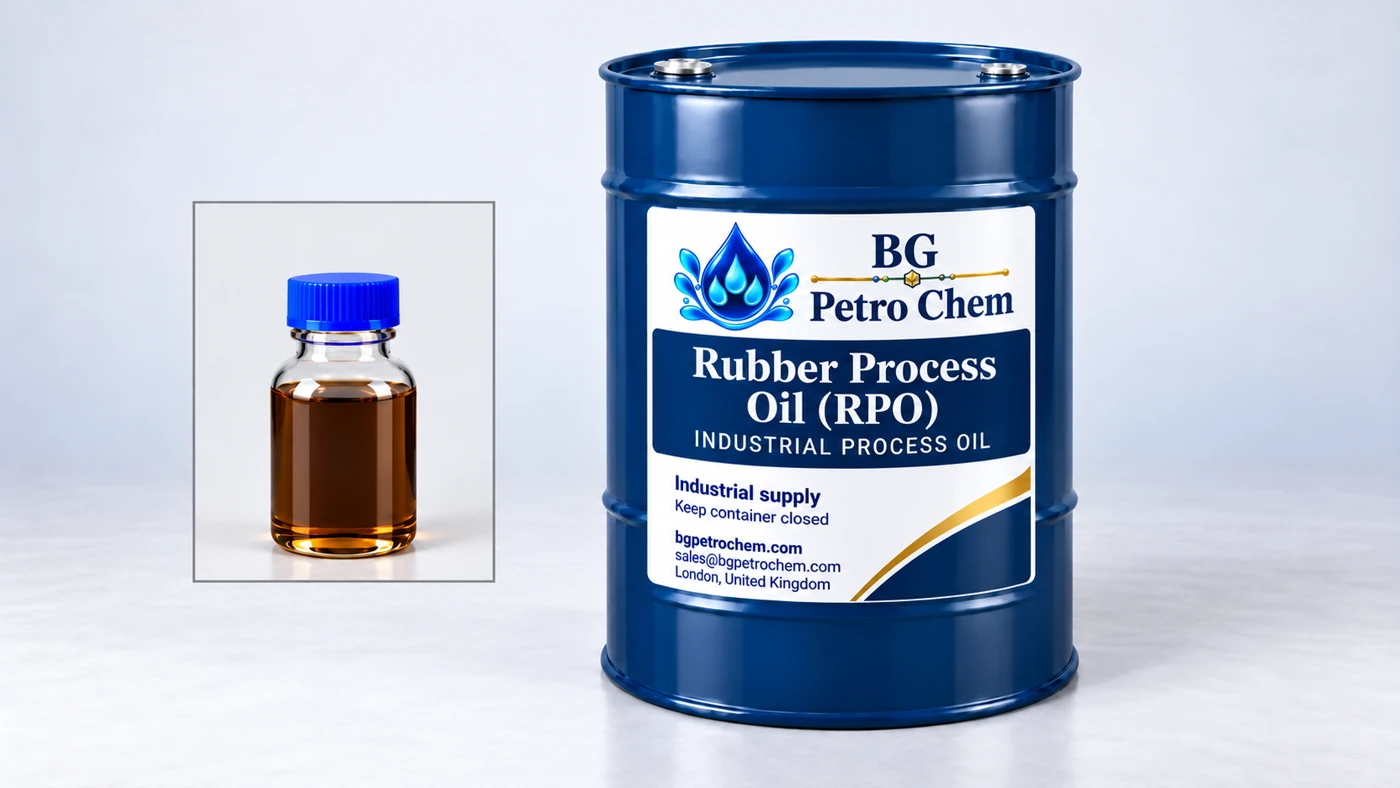
Rubber Process Oil (RPO)
Aromatic extender and softener for tyre treads, sidewalls and carcasses, retread rubber, conveyor belts, hoses and extruded profiles. Rubber Process Oil (RPO) is a dense extract from heavy lube refining: viscosity gravity constant 0.94 – 0.99, kinematic viscosity 14.0 – 37.0 cSt at 100 °C.
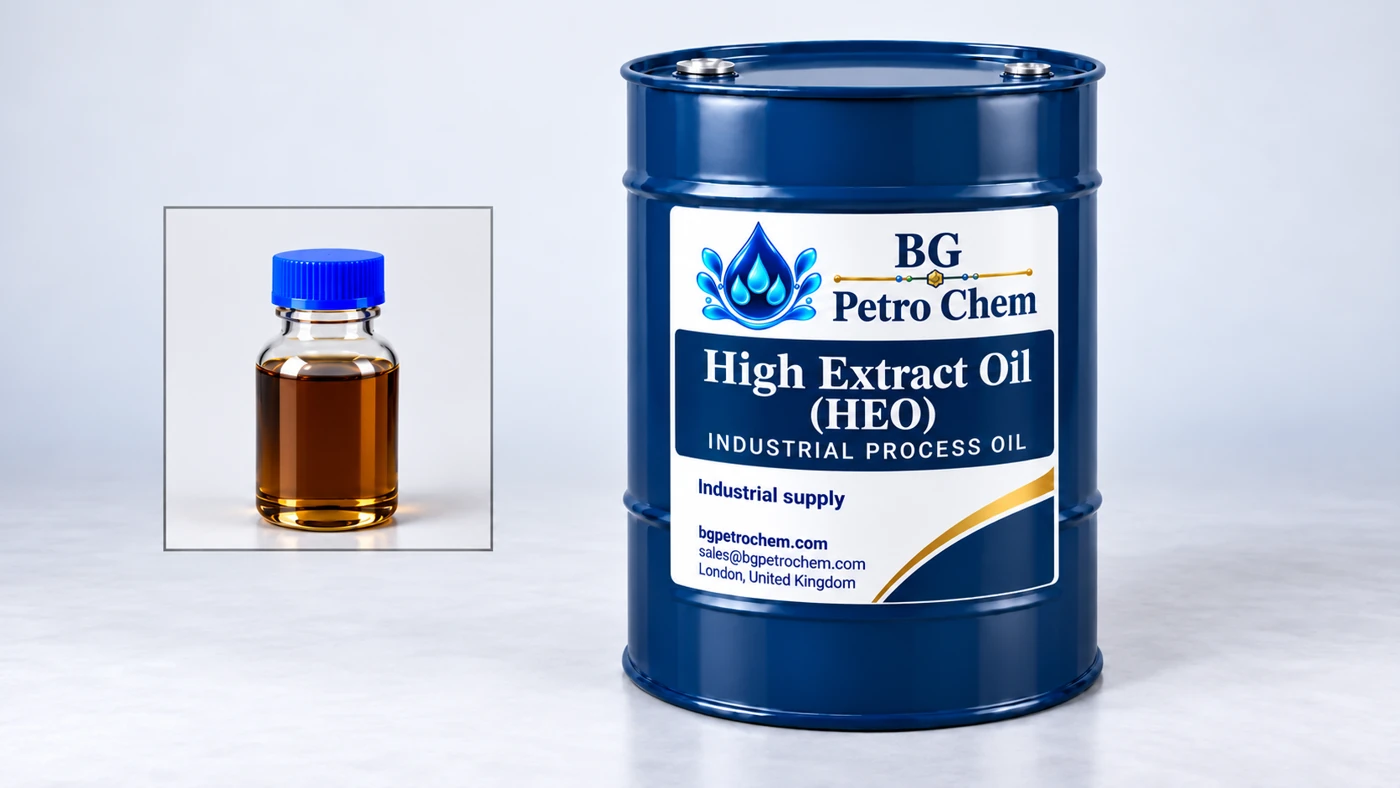
High Extract Oil (HEO)
Heavy aromatic extract for extending SBR and natural rubber, reclaiming scrap tyre rubber, tyre compounding and fluxing hard bitumen. High Extract Oil (HEO) is recovered when heavier lube distillates are solvent refined and is specified at min 12.0 cSt at 100 °C, with sulphur max 5.6 wt %.
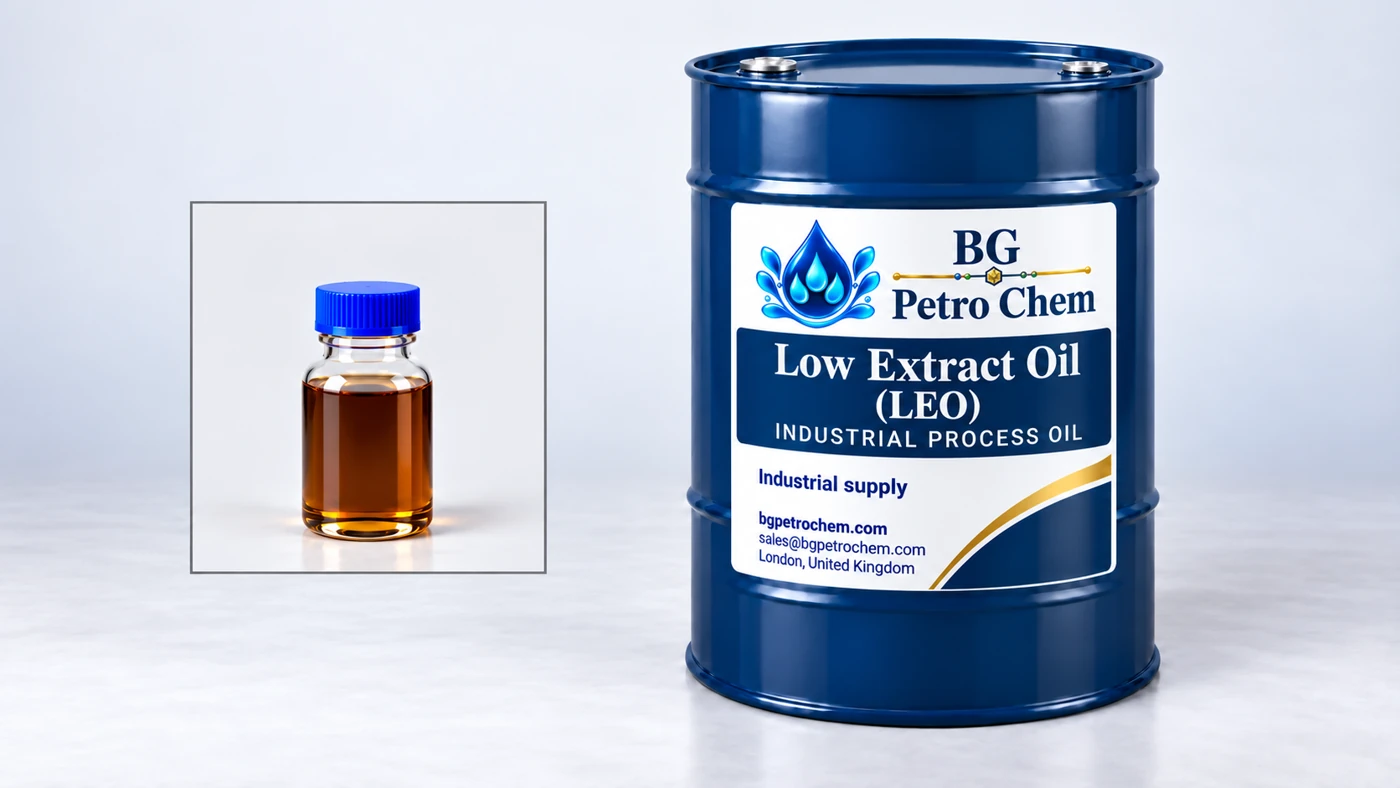
Low Extract Oil (LEO)
A thin extract oil that softens and extends EVA soles, sealants, adhesives and lighter polymer compounds without long mixing cycles. Low Extract Oil (LEO) has a viscosity floor of 2.5 cSt at 100 °C, a COC flash point of min 150 °C and specific gravity max 1.10.
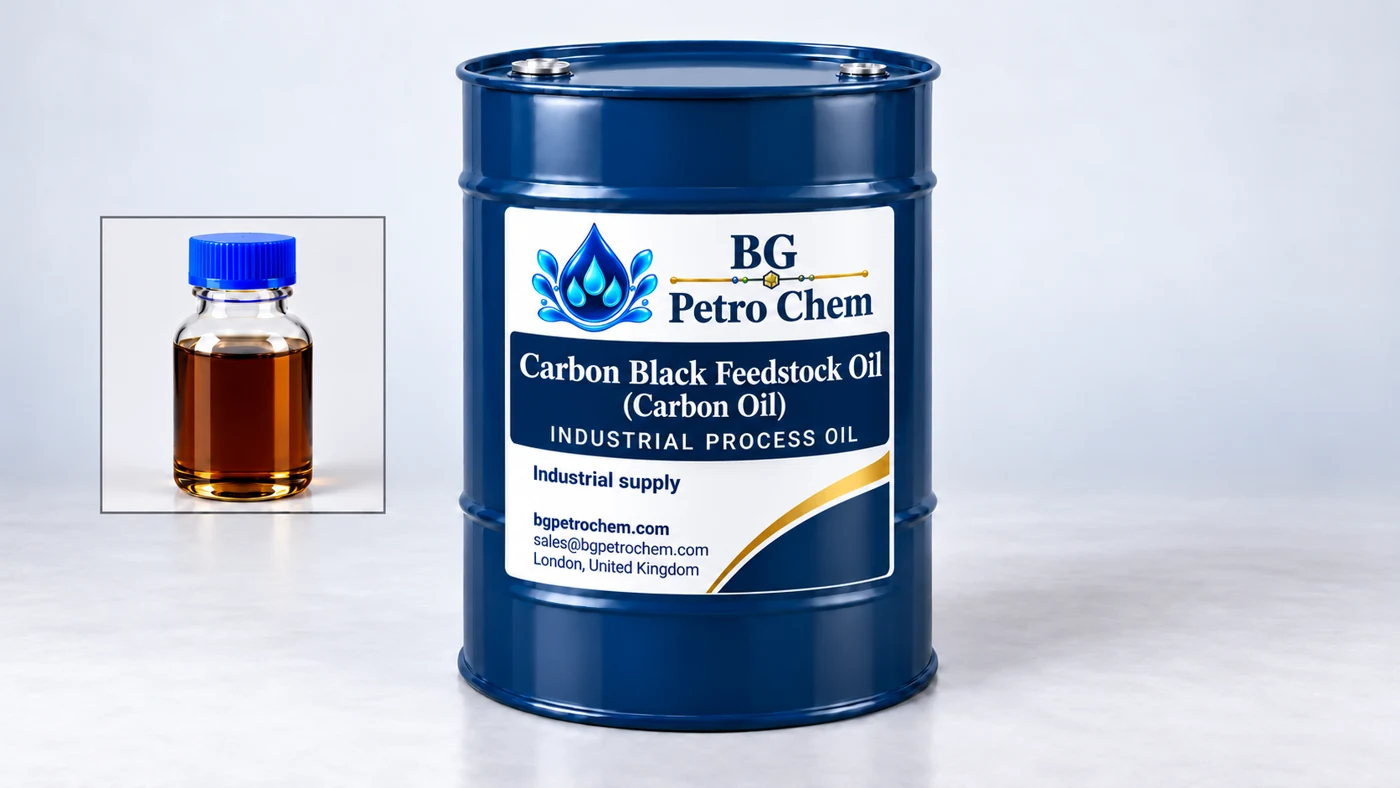
Carbon Black Feedstock Oil (Carbon Oil)
Reactor feed for furnace carbon black producers supplying tyres, masterbatches, printing inks and conductive compounds. Carbon Black Feedstock Oil is dense and strongly aromatic: BMCI typical 100 and not below 95, VGC min 0.95, viscosity max 45.0 cSt at 100 °C and COC flash point min 240 °C.
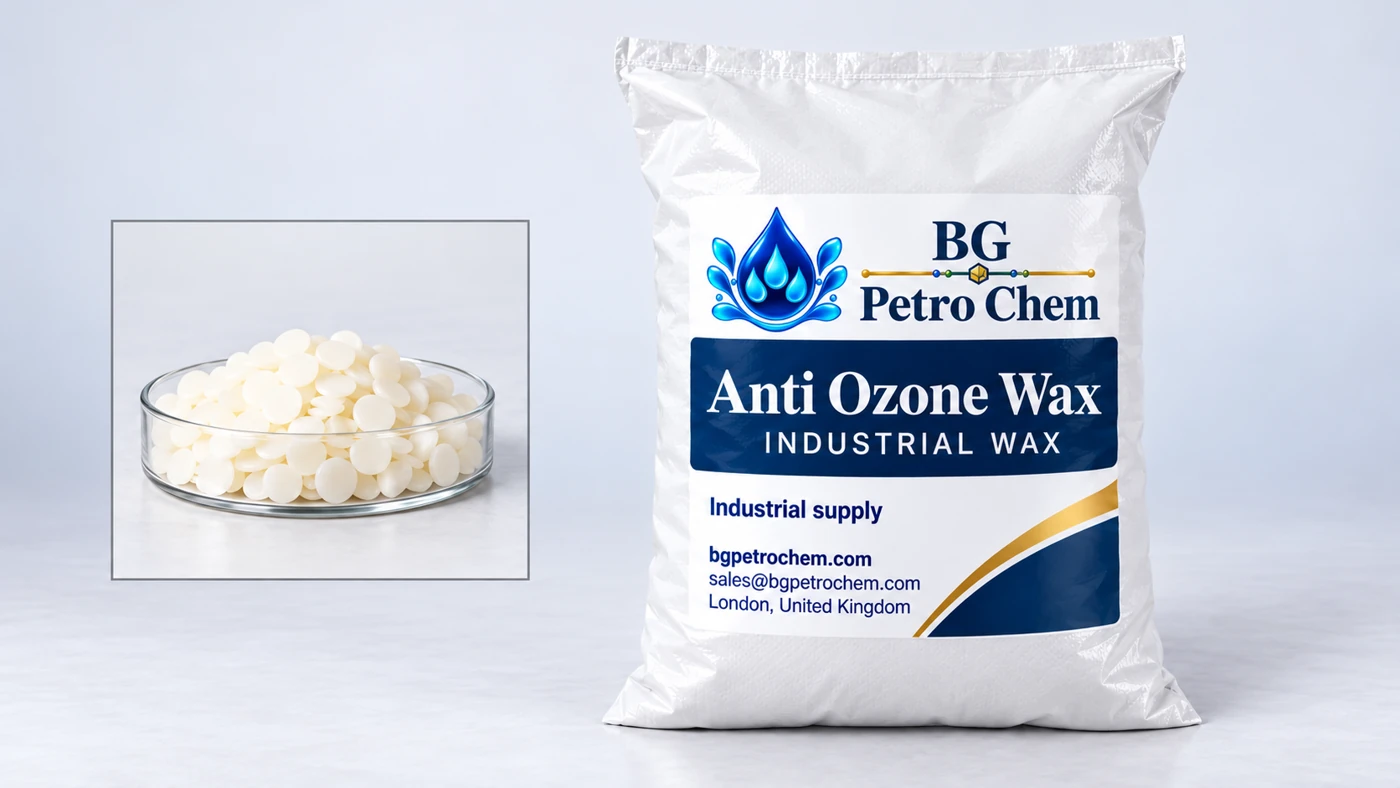
Anti Ozone Wax
Anti ozone wax is a hydrocarbon wax blend, usually of paraffin and microcrystalline fractions, compounded into tyre and technical rubber. After vulcanisation it migrates to the surface and forms a film that helps limit ozone cracking; grades are matched to service conditions.
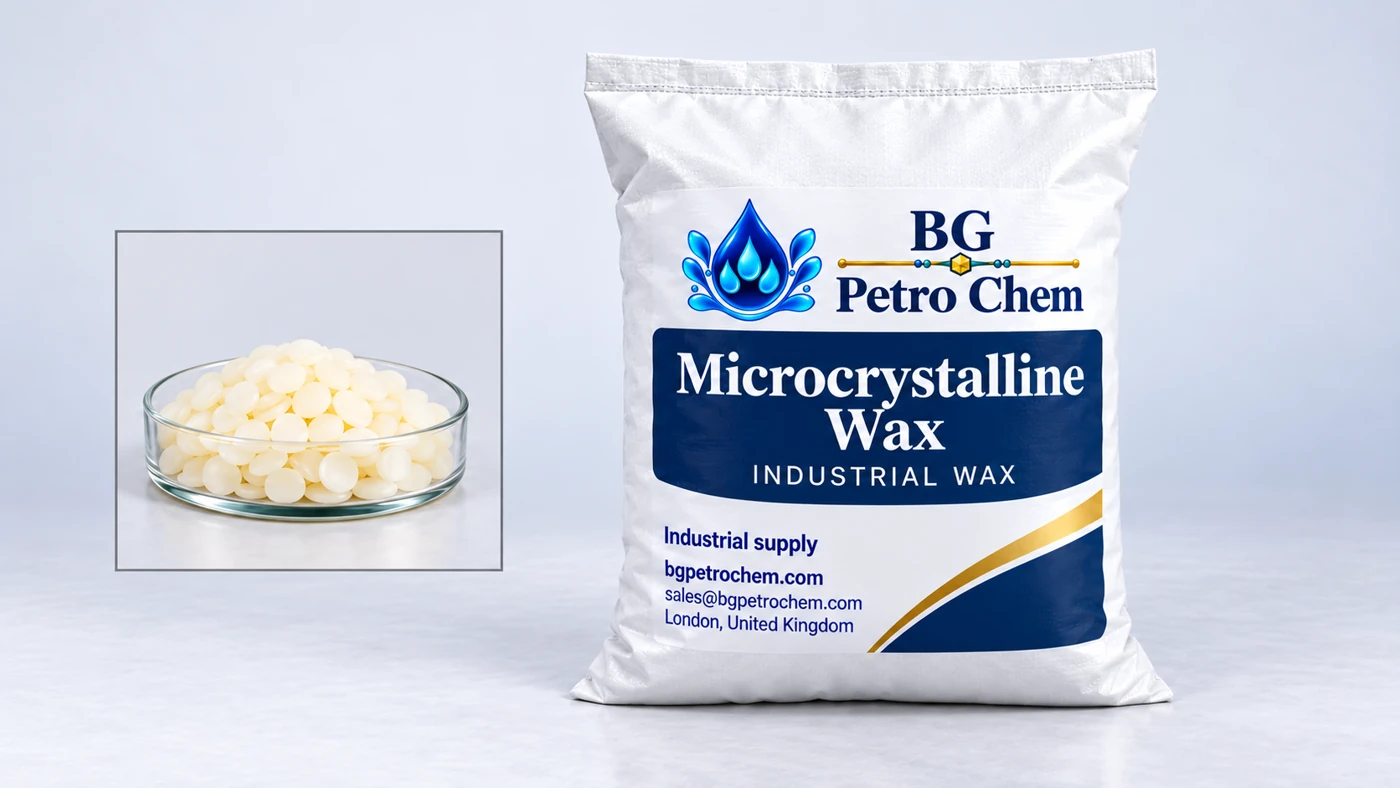
Microcrystalline Wax
Built from branched isoparaffins and cyclic naphthenes, microcrystalline wax (CAS 63231-60-7) is a petroleum wax whose molecules pack poorly. Only very small crystals form, so it is flexible, tough and tacky and binds far more oil than brittle paraffin.
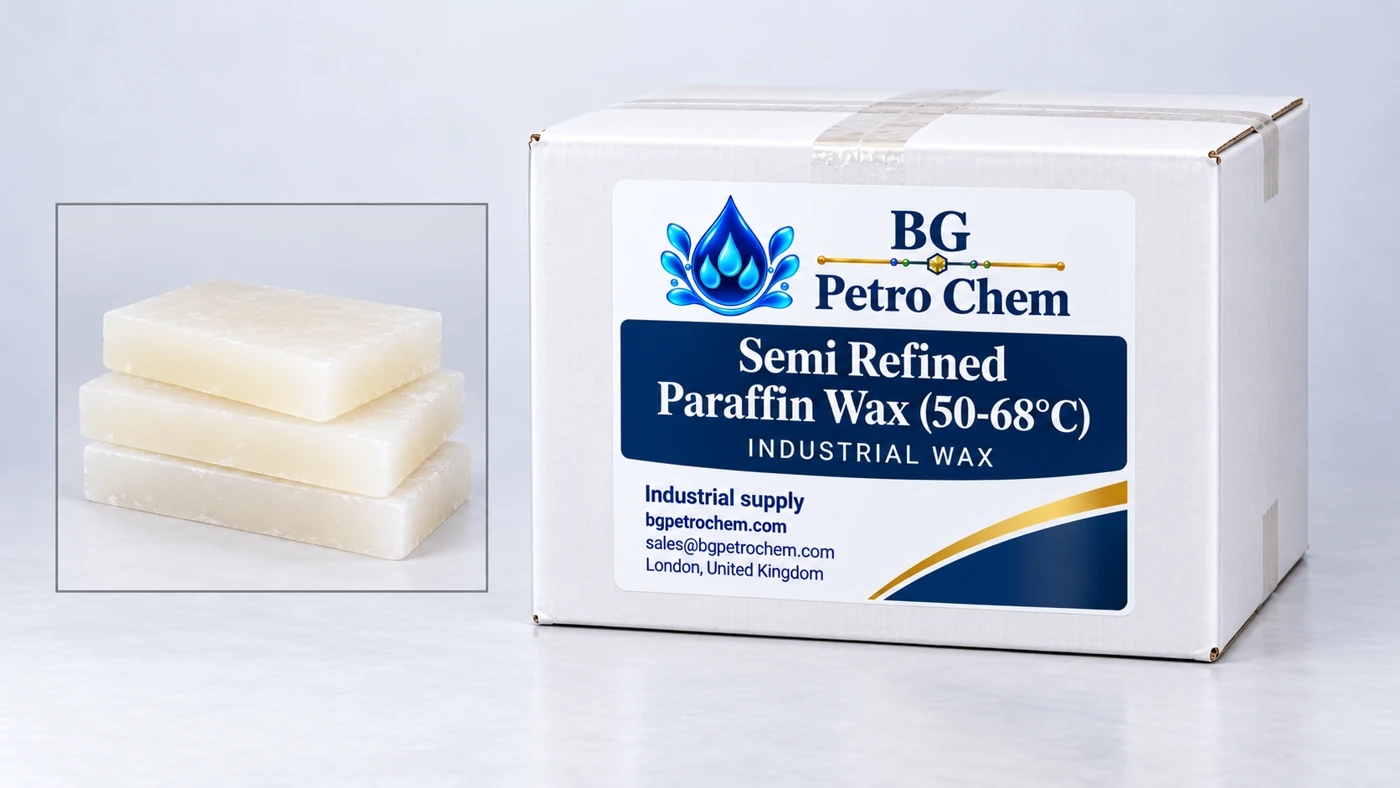
Semi Refined Paraffin Wax (50-68°C)
With 0.5–1.5% oil left in it, against no more than 0.5% in fully refined wax, semi refined paraffin wax (CAS 8002-74-2) costs less and releases from moulds more easily, at the expense of a faint odour and a slightly creamy colour.
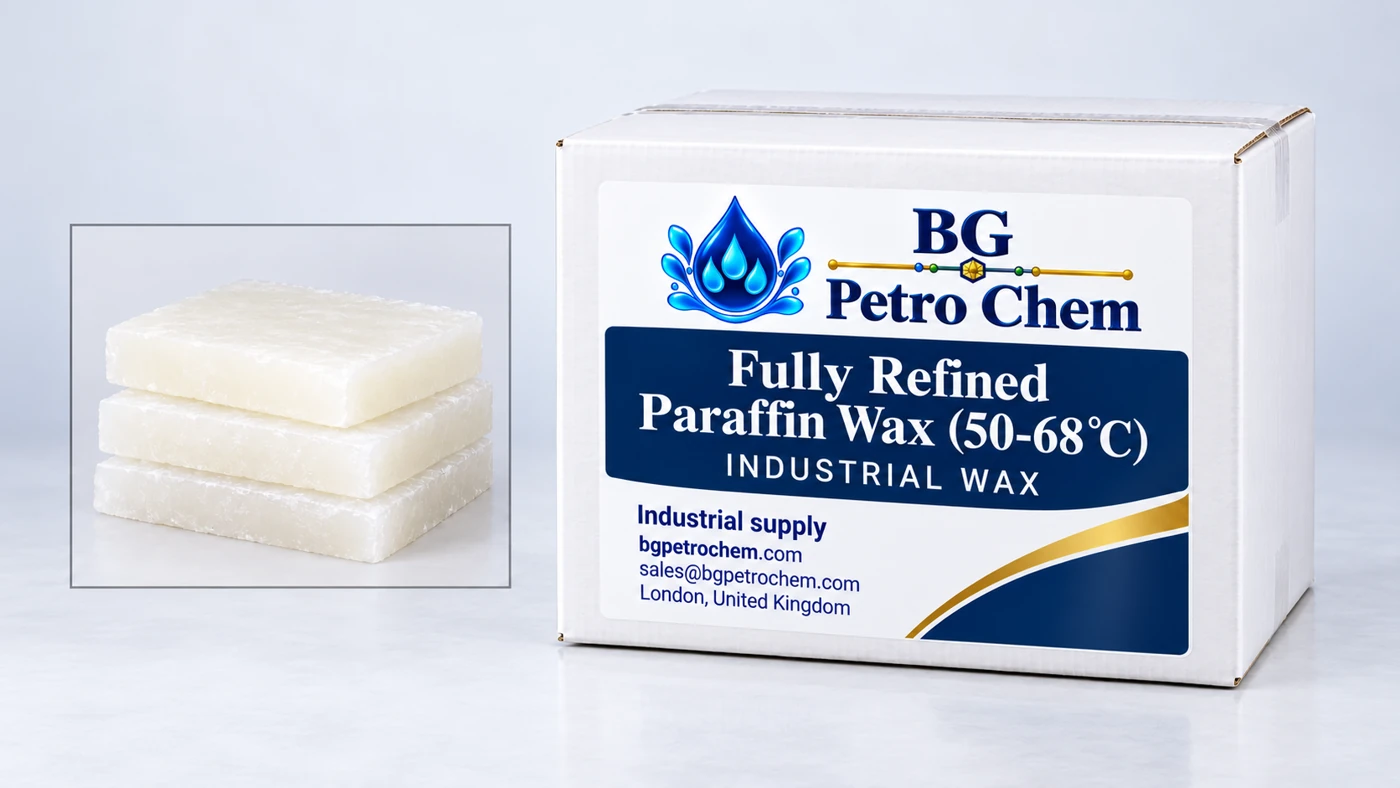
Fully Refined Paraffin Wax (50-68°C)
With deoiling and hydrotreating taking its oil content below 0.5%, fully refined paraffin wax (CAS 8002-74-2) is white, effectively odourless and refined to the standard food-contact and cosmetic uses call for. Melting grades run from 50 to 68 °C: lower points for container candles, higher for pillars and tapers.
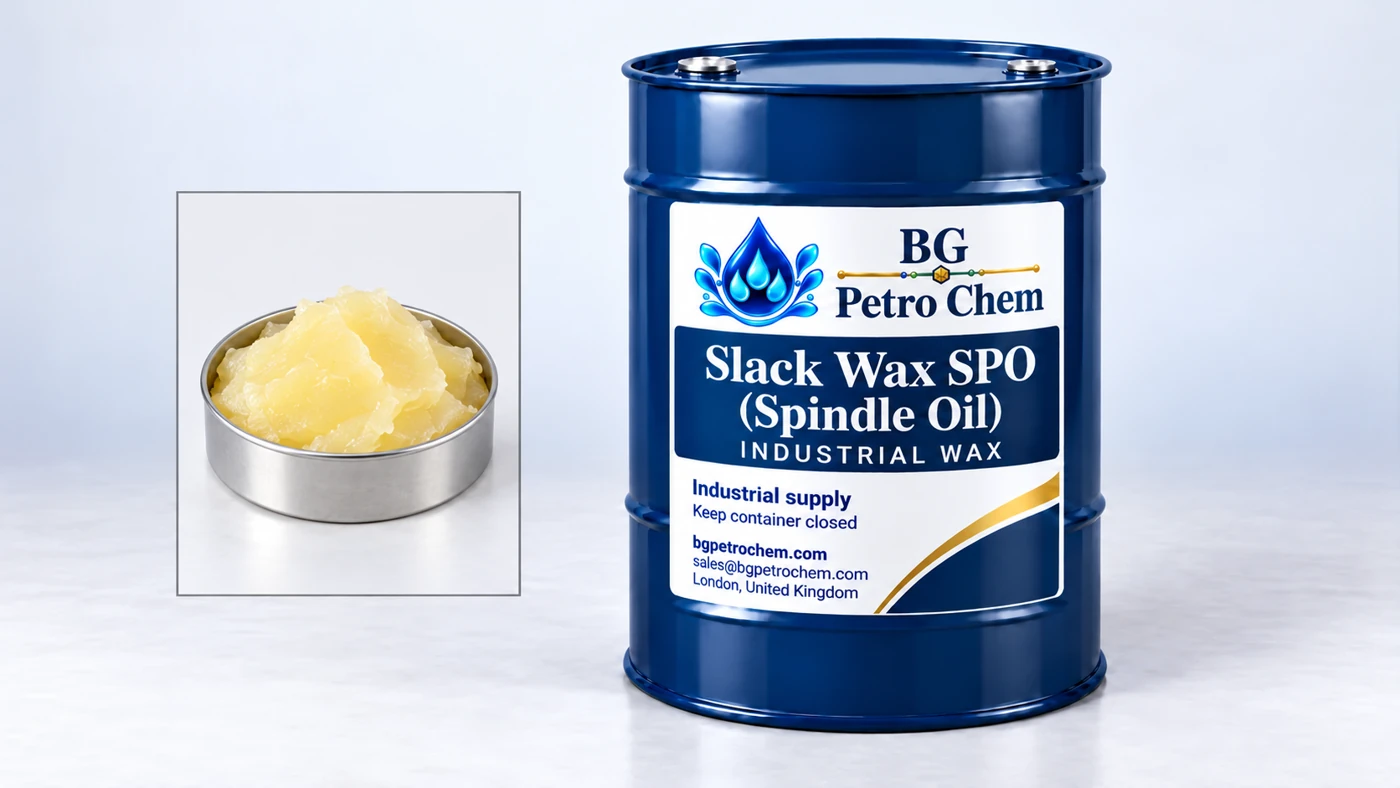
Slack Wax SPO (Spindle Oil)
Taken unrefined from the spindle oil distillate, Slack Wax SPO (CAS 64742-61-6) melts at 53–58°C, holds 5–20% oil and has a viscosity of 4.7–5.7 cSt at 100°C. At ASTM colour 1.5 max it is the second palest of the four grades, after LMO.
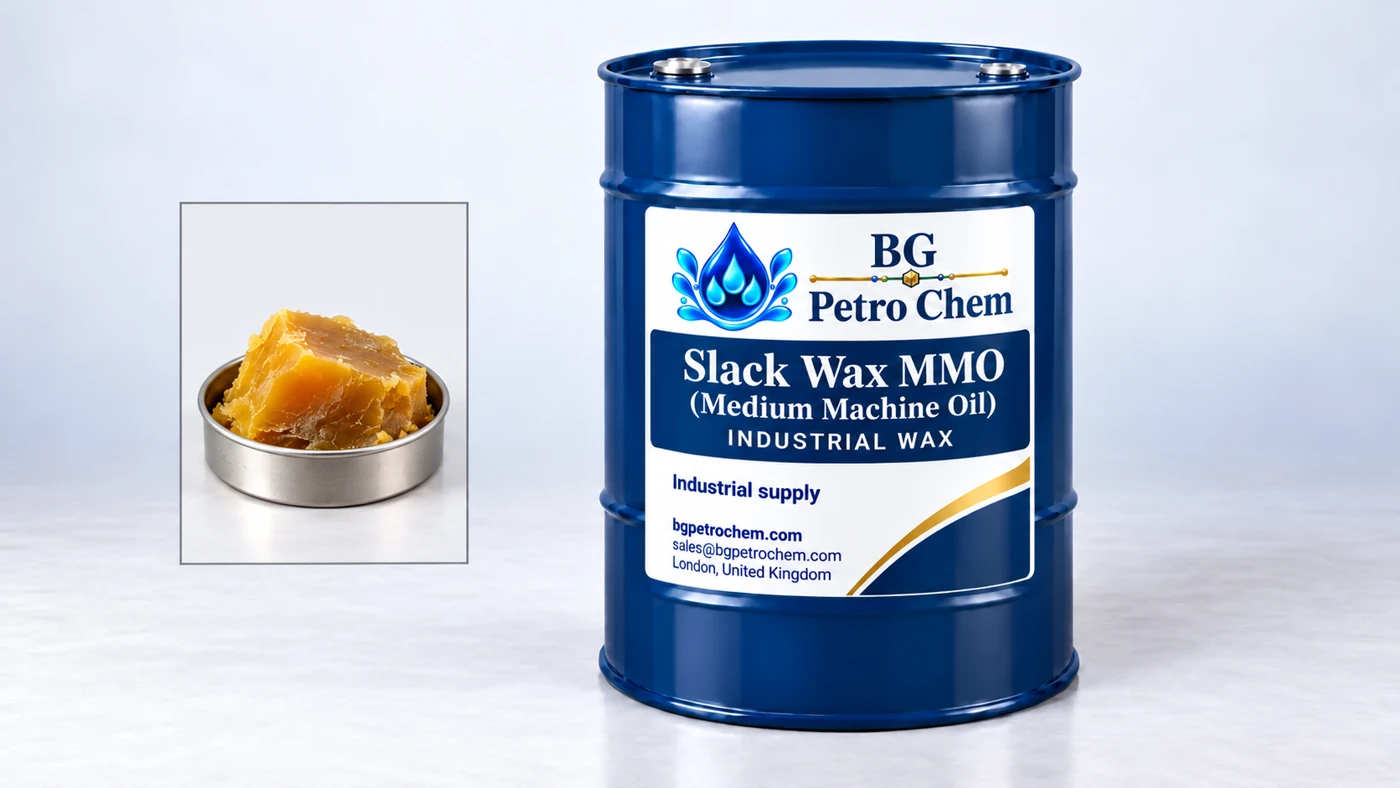
Slack Wax MMO (Medium Machine Oil)
Slack Wax MMO (CAS 64742-61-6) is taken from the medium machine oil distillate. With a 58–64°C melting point, 5–15% oil and 8.3–9.4 cSt at 100°C, it is firmer than LMO and SPO and suits uses that need a heavier wax feedstock.
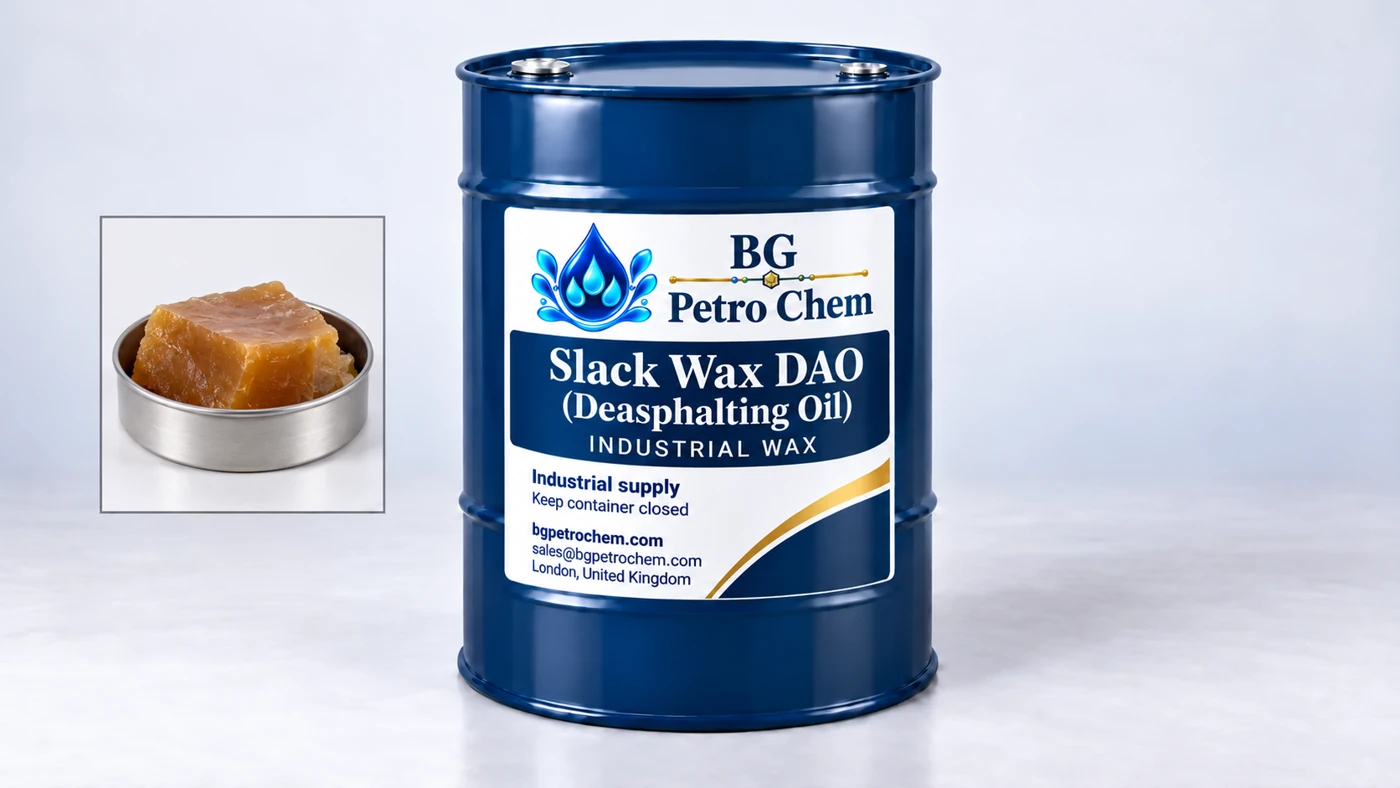
Slack Wax DAO (Deasphalting Oil)
Slack Wax DAO (CAS 64742-61-6) is the heaviest slack wax grade, crystallised from deasphalted oil. It melts at 69–74°C, the highest of the four, holds 5–20% oil, has a viscosity of 18.5–22.5 cSt at 100°C and feeds microcrystalline wax production.
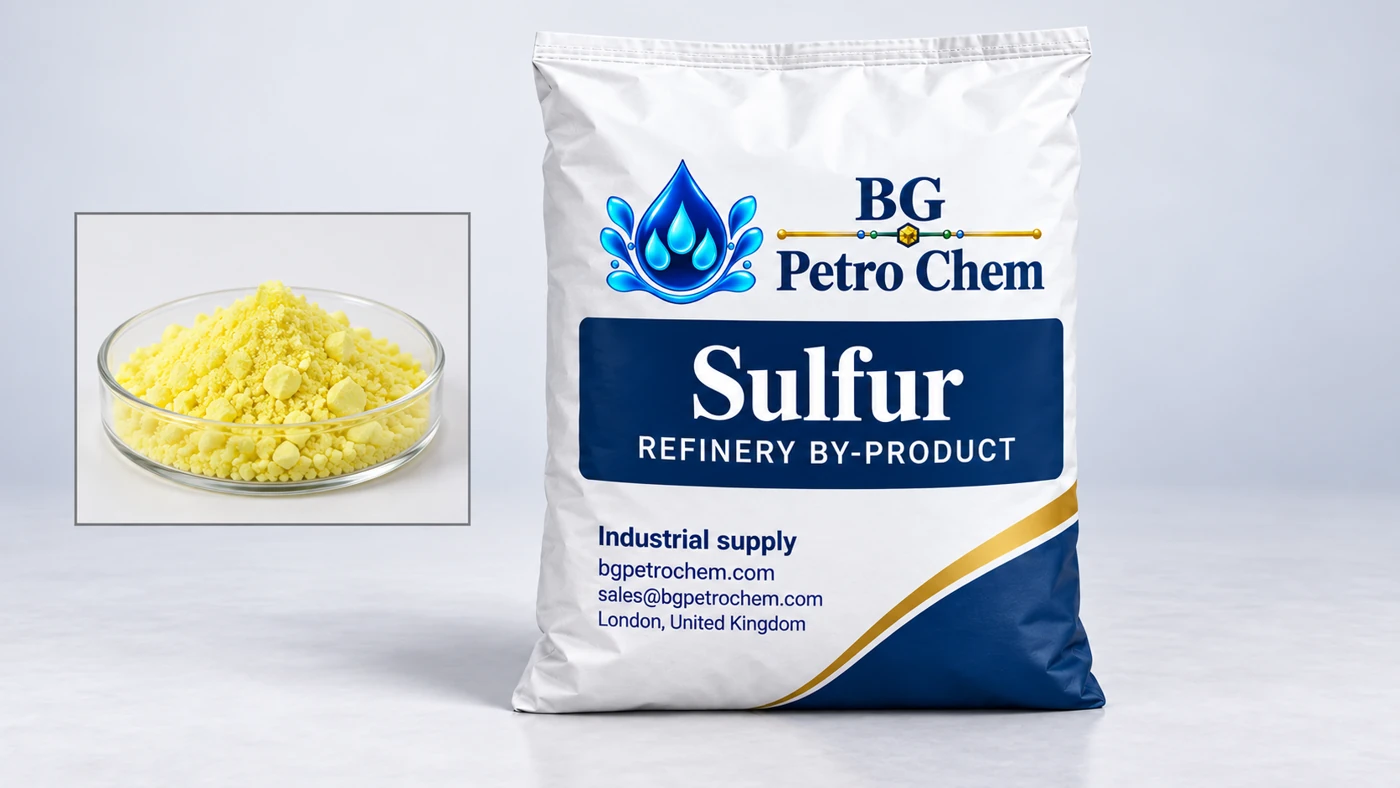
Sulfur
Sulphur (CAS 7704-34-9) recovered at refinery HDS and Claus units in Pakistan, as bright yellow granules or lumps with a minimum purity of 99.8 wt%. Uses include sulphuric acid, rubber vulcanisation, fertilisers and bitumen modification.
Need a Custom Solution?
Contact our team to discuss your specific requirements for the Rubber & Tyres industry.