Petroleum & Synthetic Waxes
Fully and semi-refined paraffin, microcrystalline and slack waxes from lube-oil dewaxing, with polyethylene, oxidised PE and Fischer-Tropsch waxes.
Showing 1–13 of 13 products
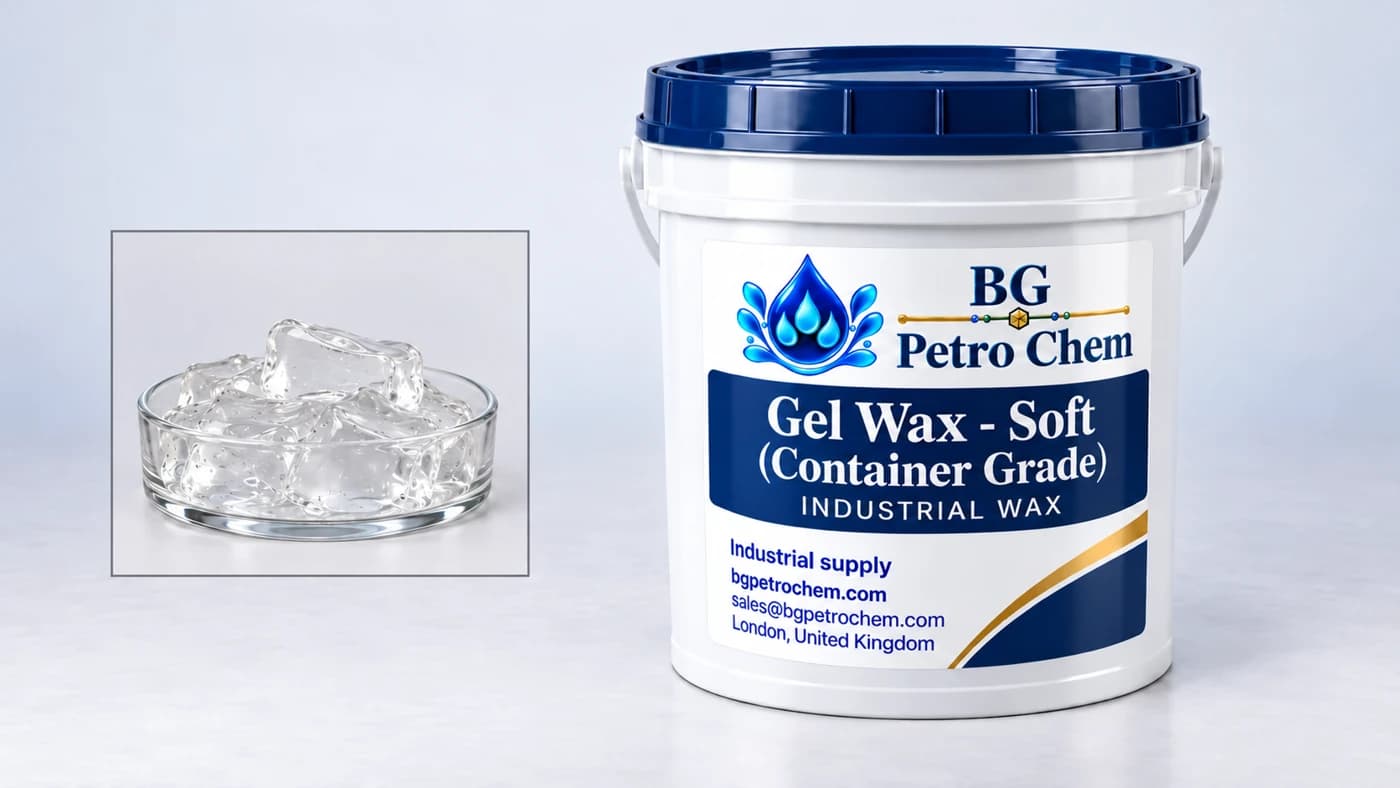
Gel Wax - Soft (Container Grade)
Soft gel wax is white mineral oil gelled with a lighter polymer dose than the moulded hard grade, which makes it the container grade. It flows freely and releases air for the clearest finish, but it must be burned in the vessel it fills.
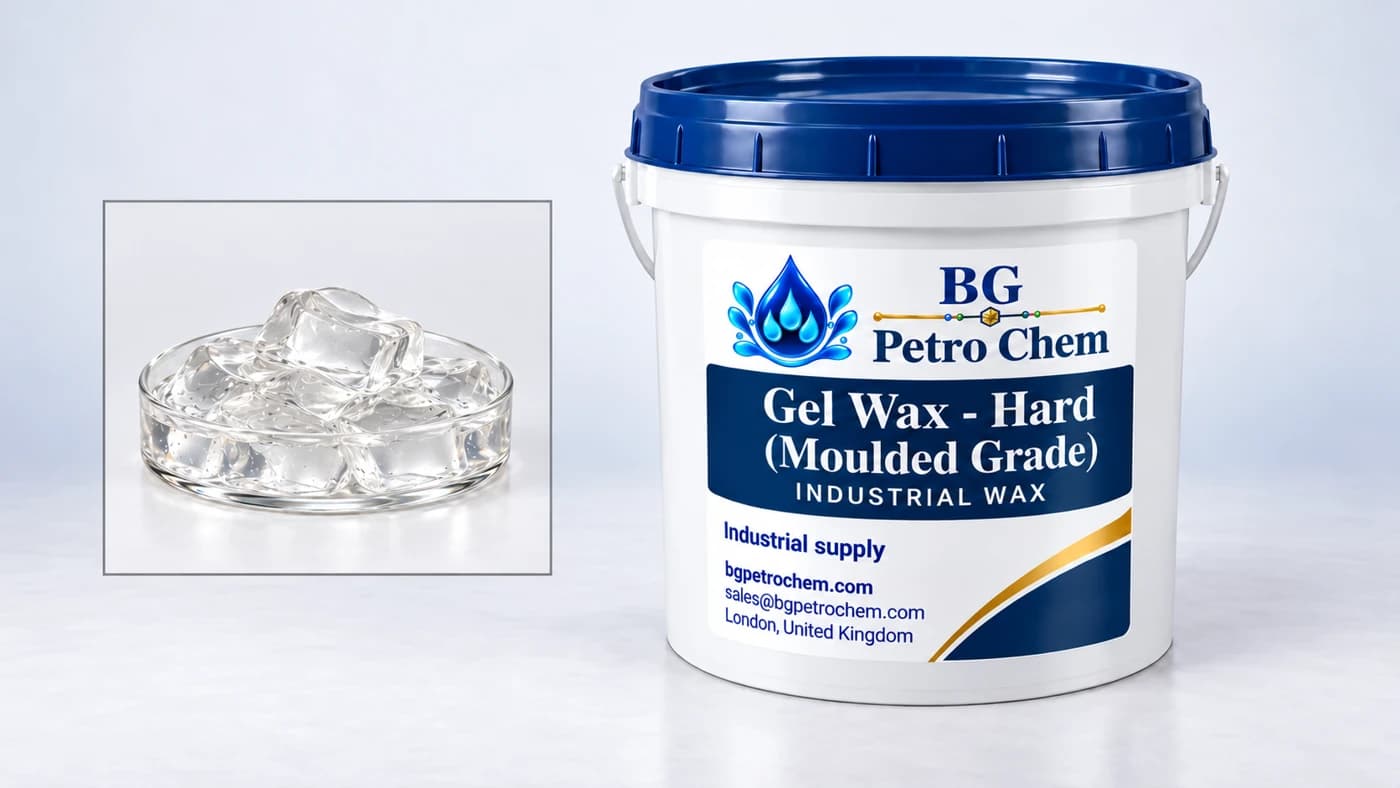
Gel Wax - Hard (Moulded Grade)
Hard gel wax is the moulded grade of transparent candle gel: white mineral oil set with a high loading of polymer resin. It melts at 60–80 °C and is firm enough to be demoulded and stand unsupported, keeping embeds where they are placed.
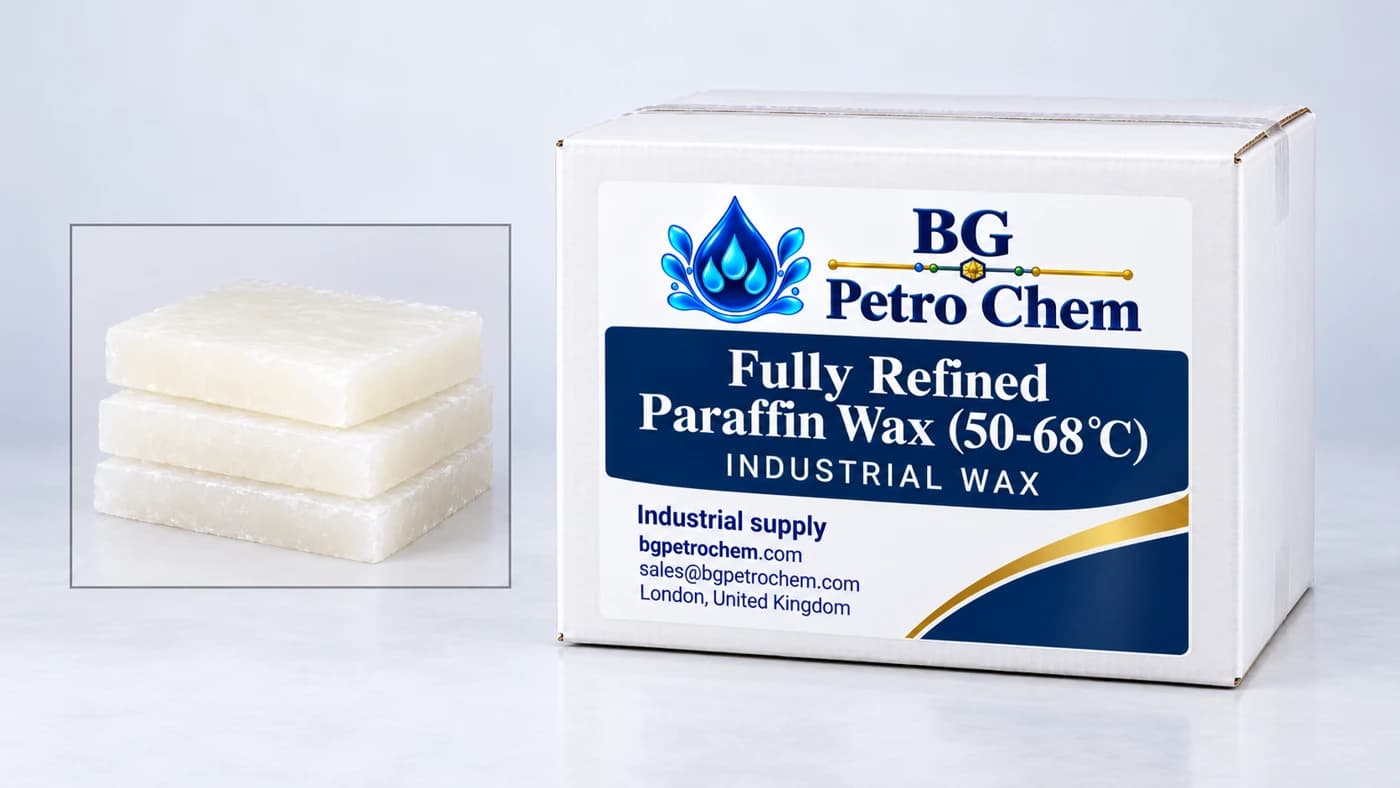
Fully Refined Paraffin Wax (50-68°C)
With deoiling and hydrotreating taking its oil content below 0.5%, fully refined paraffin wax (CAS 8002-74-2) is white, effectively odourless and refined to the standard food-contact and cosmetic uses call for. Melting grades run from 50 to 68 °C: lower points for container candles, higher for pillars and tapers.
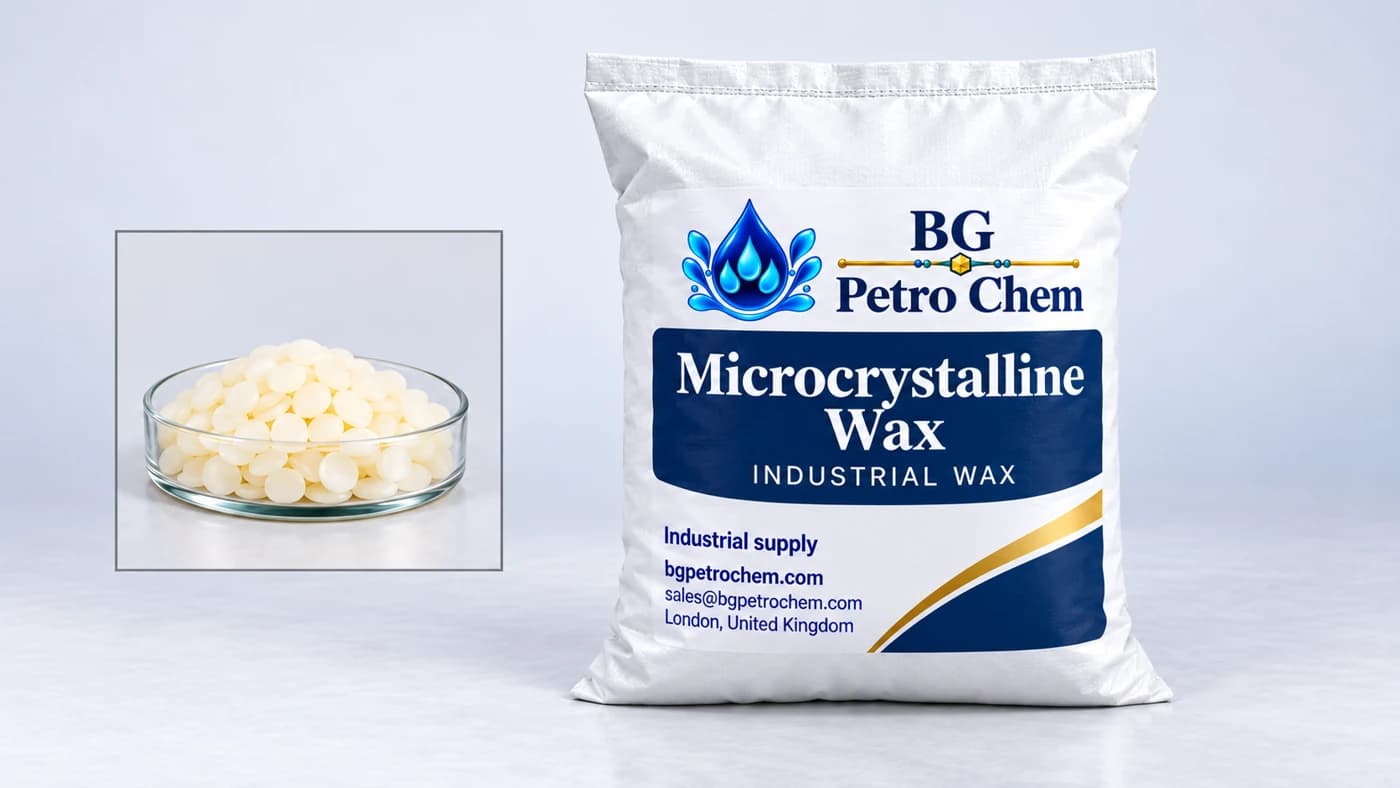
Microcrystalline Wax
Built from branched isoparaffins and cyclic naphthenes, microcrystalline wax (CAS 63231-60-7) is a petroleum wax whose molecules pack poorly. Only very small crystals form, so it is flexible, tough and tacky and binds far more oil than brittle paraffin.
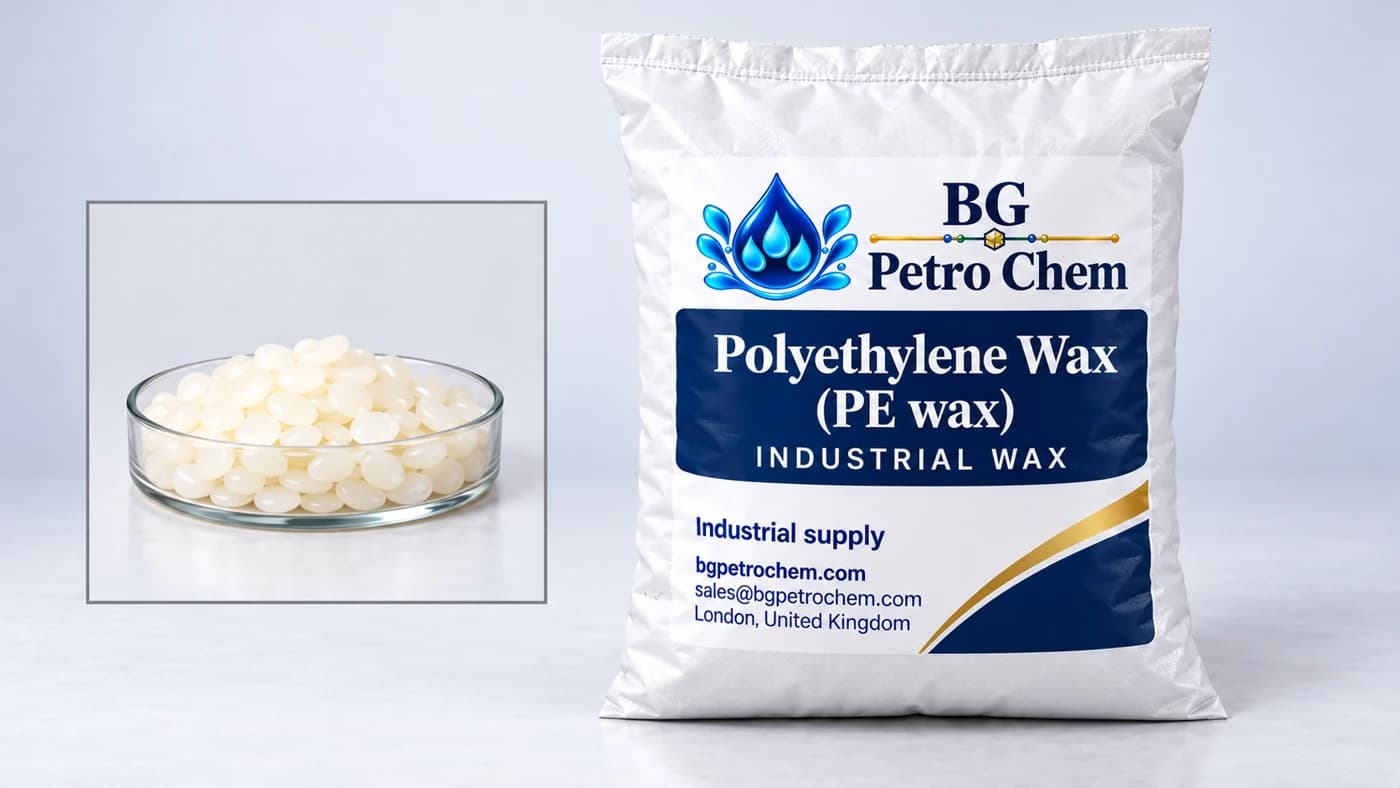
Polyethylene Wax (PE wax)
Polyethylene wax (CAS 9002-88-4) is a polyethylene of low molecular weight with a melting range of about 100–130 °C. It lubricates PVC, PE, PP and EVA compounds, lowers melt viscosity, aids pigment dispersion and, at 1–3%, hardens candle wax.
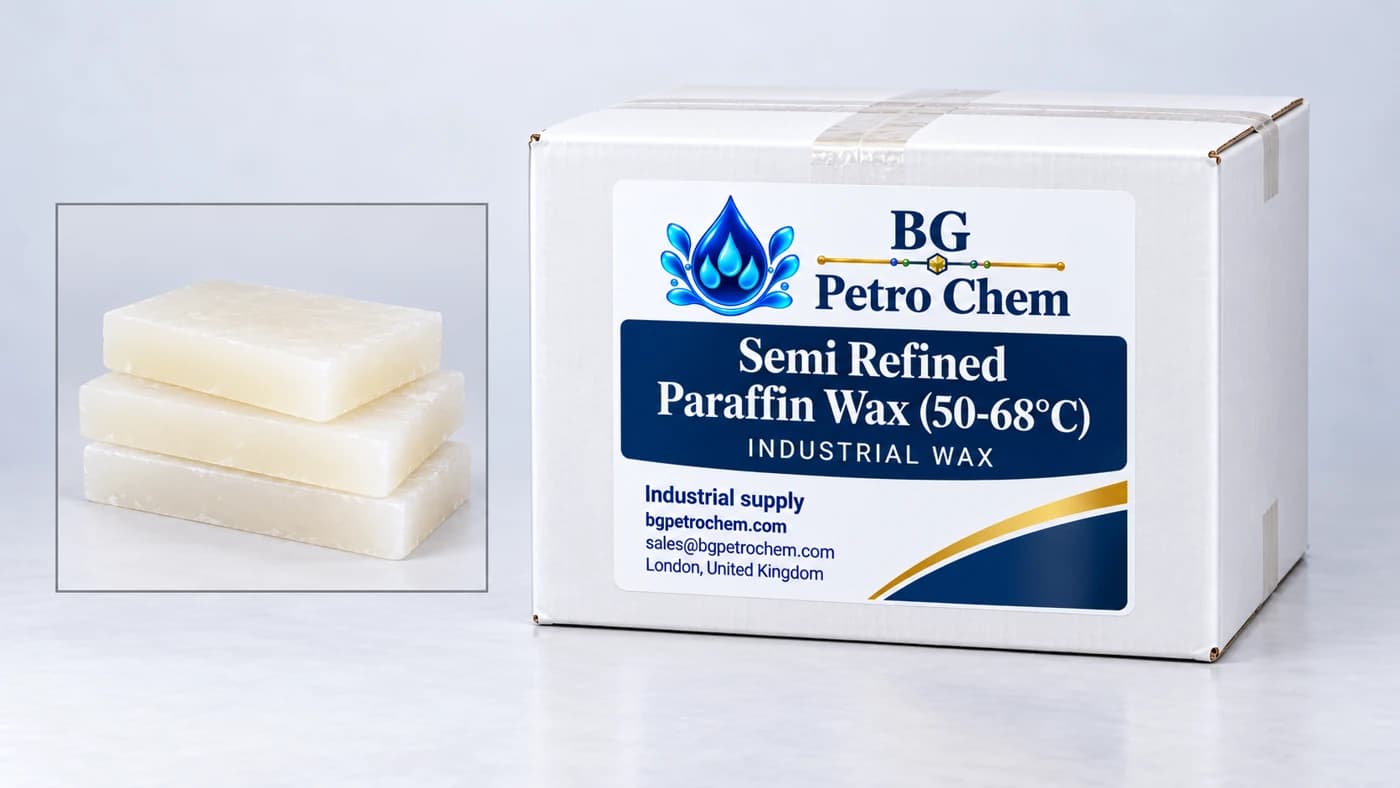
Semi Refined Paraffin Wax (50-68°C)
With 0.5–1.5% oil left in it, against no more than 0.5% in fully refined wax, semi refined paraffin wax (CAS 8002-74-2) costs less and releases from moulds more easily, at the expense of a faint odour and a slightly creamy colour.
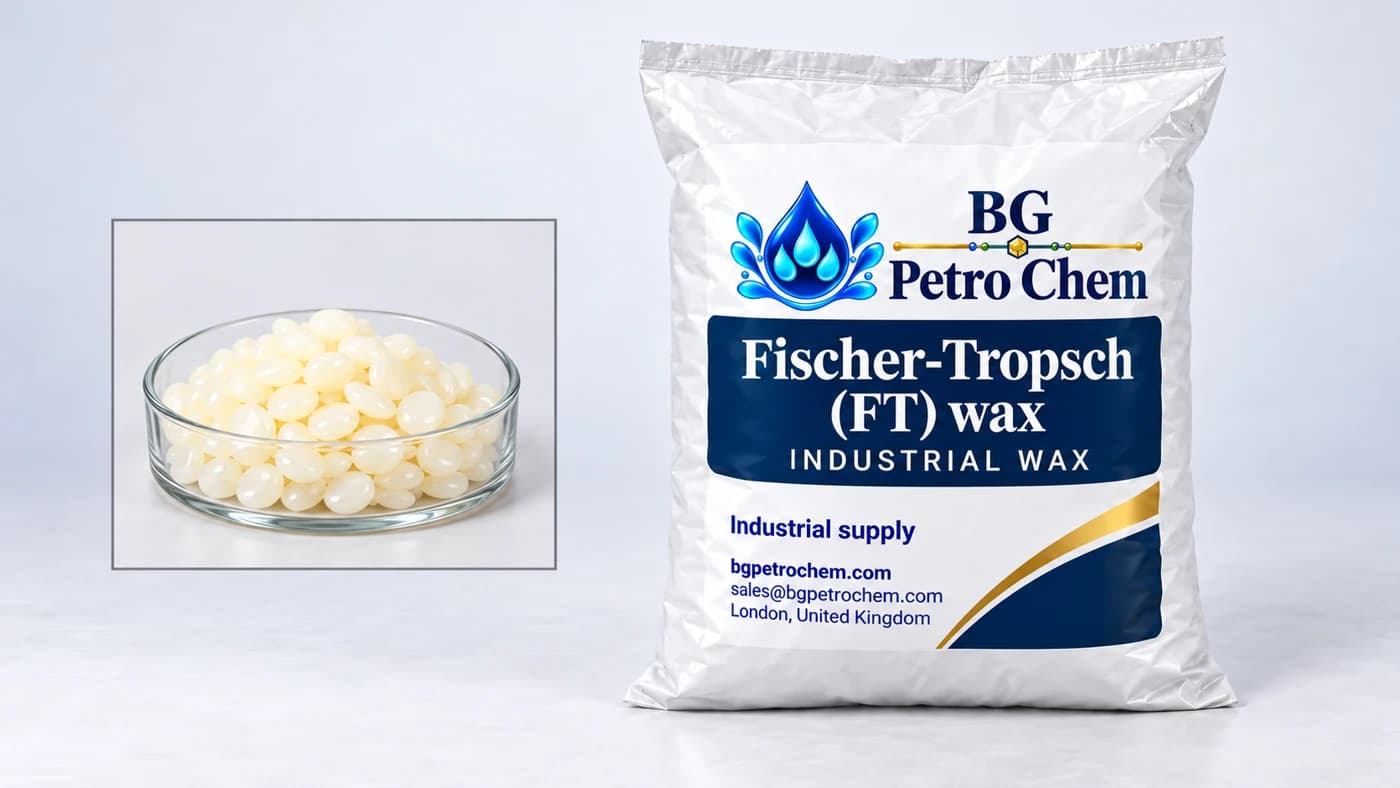
Fischer-Tropsch (FT) wax
FT wax is a high-purity synthetic paraffin made from syngas, with a narrow carbon-chain spread, very low oil content, a high melting point and low melt viscosity. It adds hardness and lubrication to PVC, hot melts, inks, coatings and bitumen.
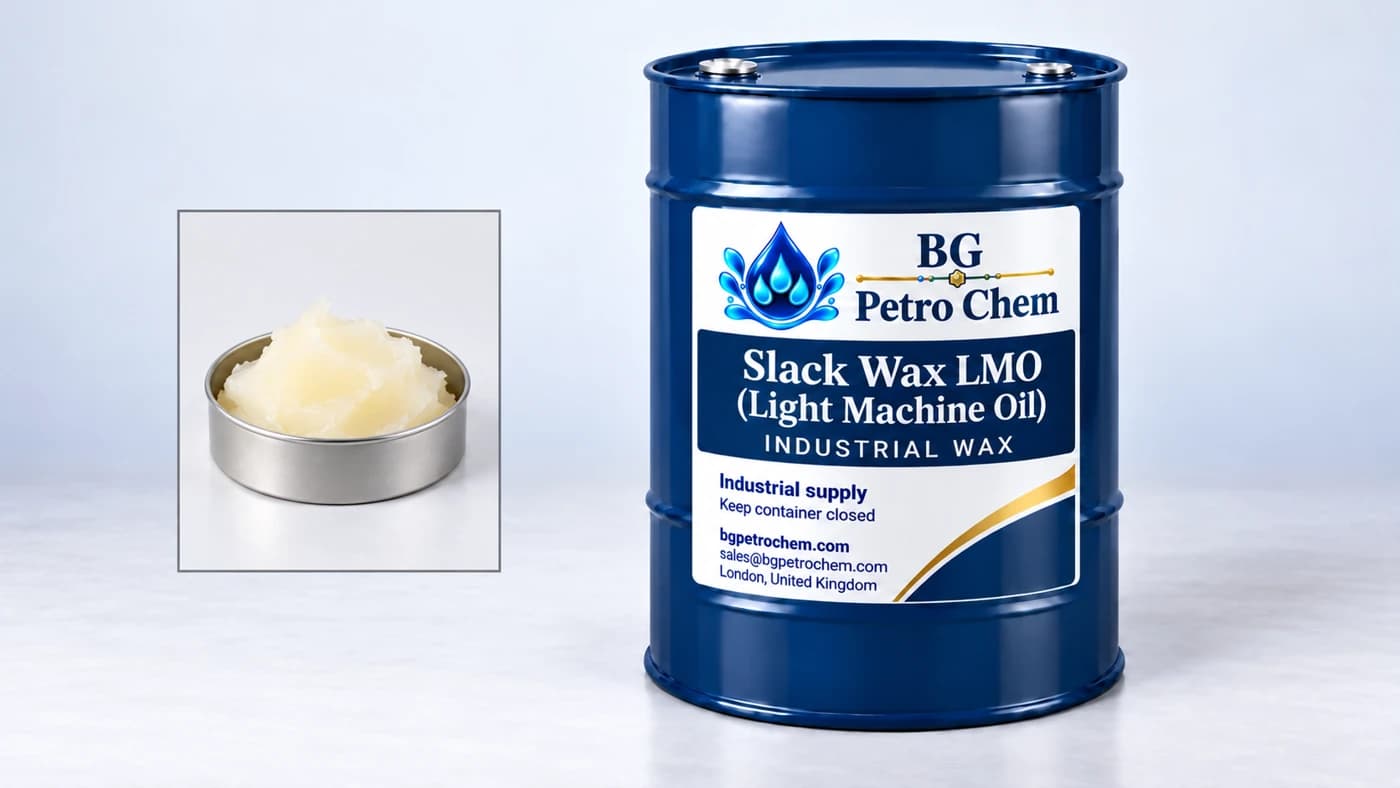
Slack Wax LMO (Light Machine Oil)
Slack Wax LMO (CAS 64742-61-6) is the light machine oil cut of the slack wax series. Melting at 47–53°C with 10–25% oil and 3.1–4.2 cSt at 100°C, it is the softest and most fluid of the four grades.
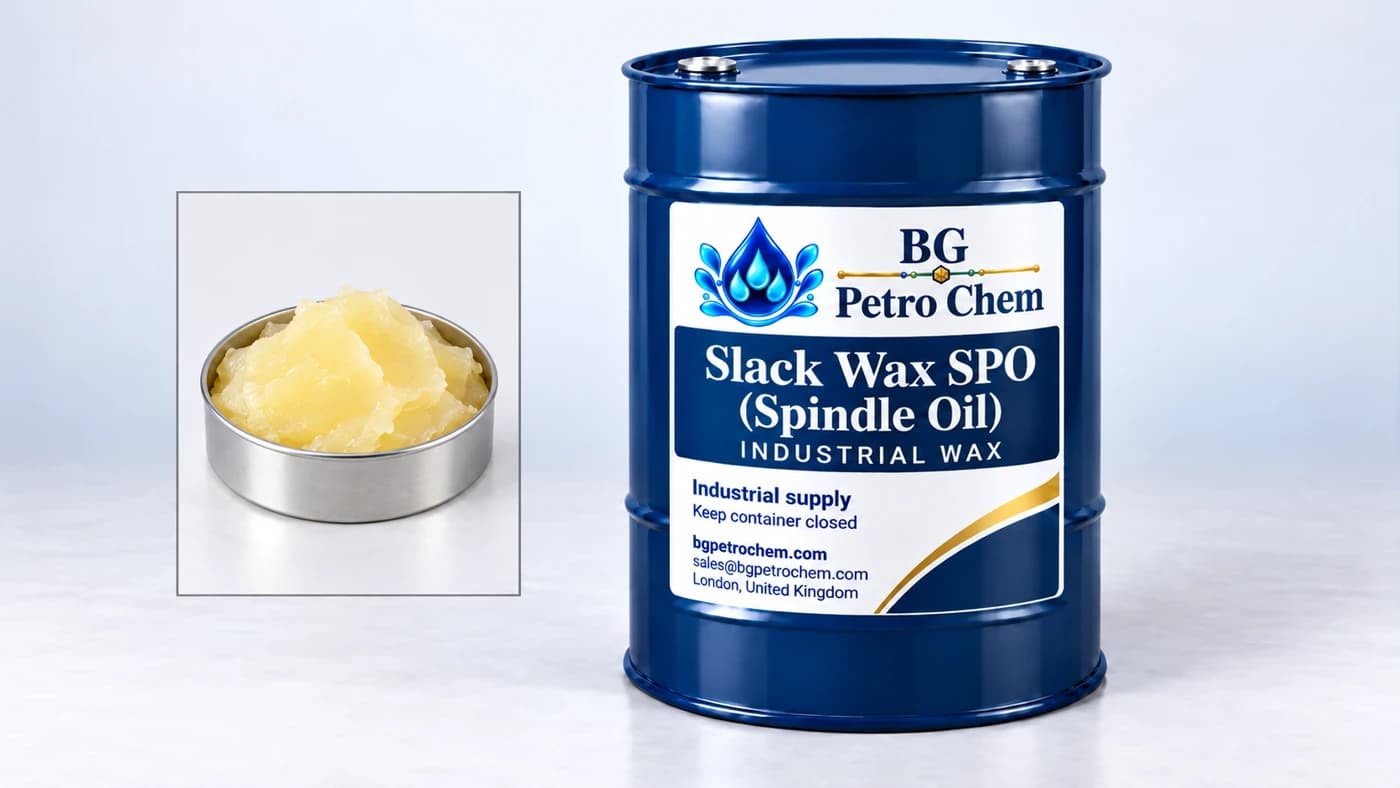
Slack Wax SPO (Spindle Oil)
Taken unrefined from the spindle oil distillate, Slack Wax SPO (CAS 64742-61-6) melts at 53–58°C, holds 5–20% oil and has a viscosity of 4.7–5.7 cSt at 100°C. At ASTM colour 1.5 max it is the second palest of the four grades, after LMO.
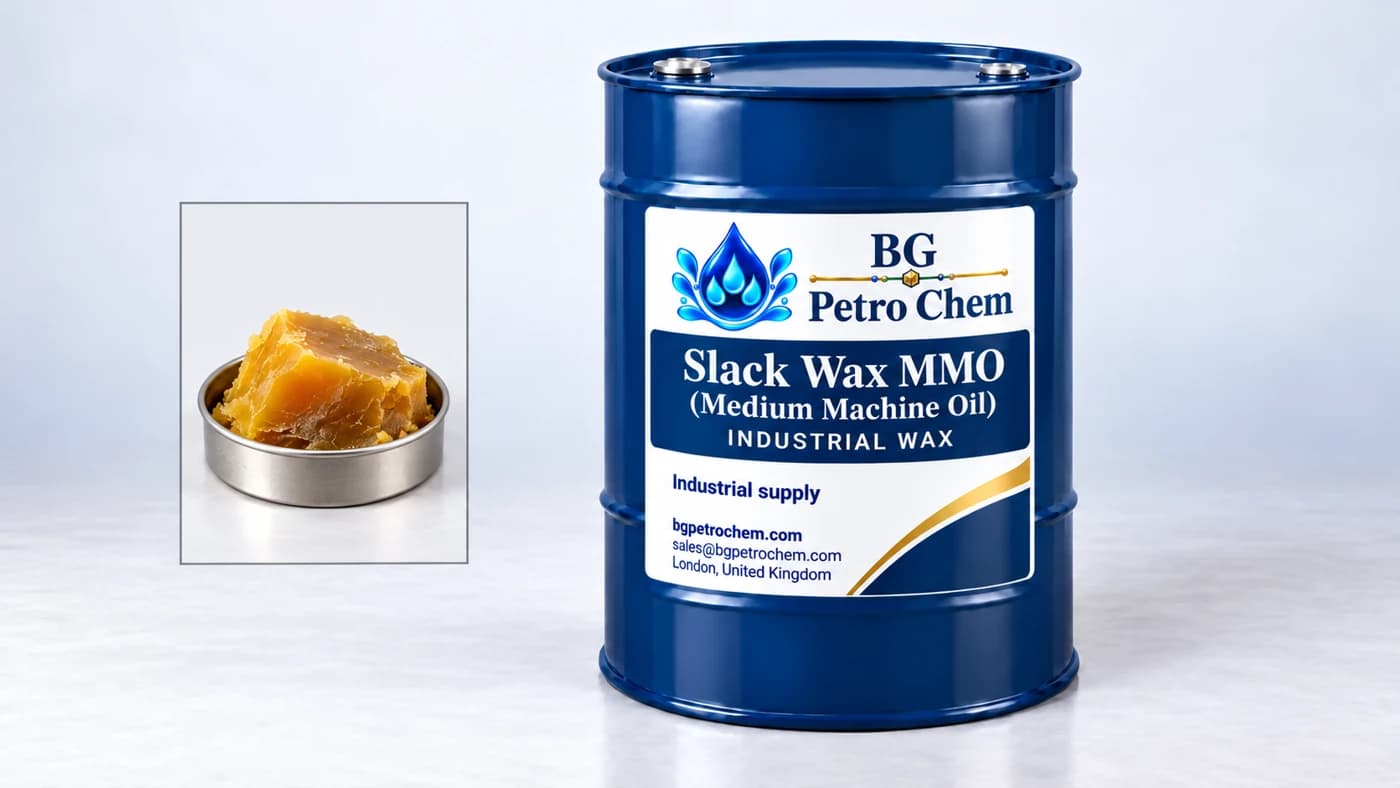
Slack Wax MMO (Medium Machine Oil)
Slack Wax MMO (CAS 64742-61-6) is taken from the medium machine oil distillate. With a 58–64°C melting point, 5–15% oil and 8.3–9.4 cSt at 100°C, it is firmer than LMO and SPO and suits uses that need a heavier wax feedstock.
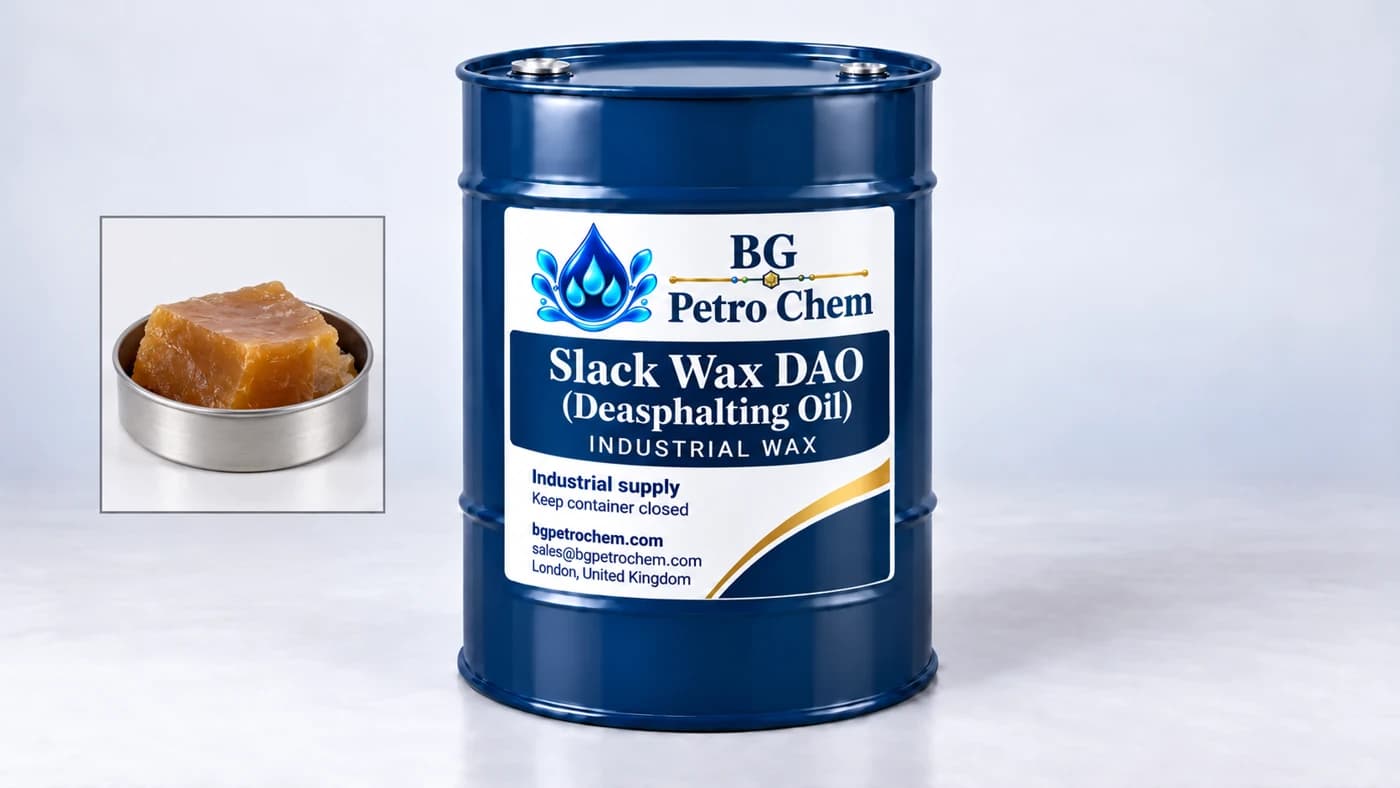
Slack Wax DAO (Deasphalting Oil)
Slack Wax DAO (CAS 64742-61-6) is the heaviest slack wax grade, crystallised from deasphalted oil. It melts at 69–74°C, the highest of the four, holds 5–20% oil, has a viscosity of 18.5–22.5 cSt at 100°C and feeds microcrystalline wax production.
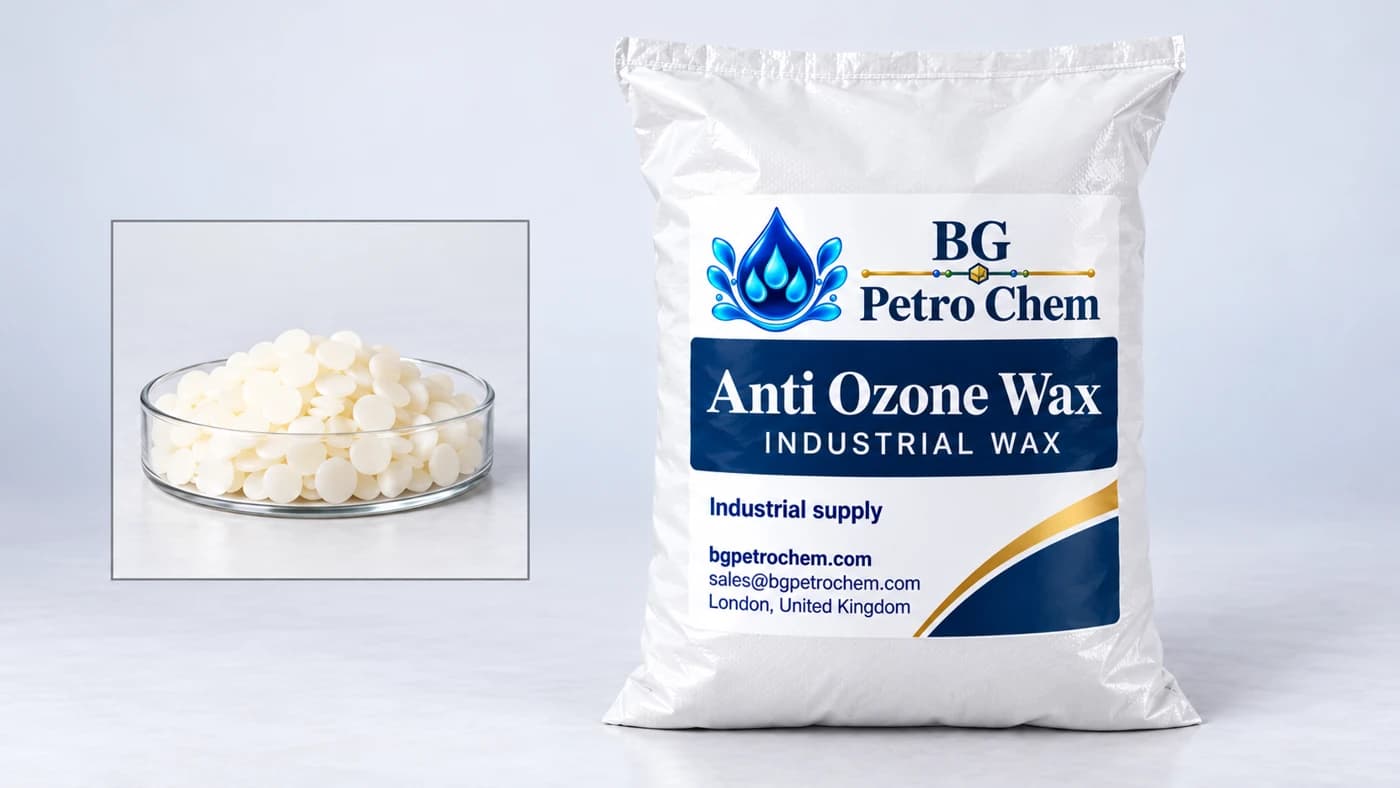
Anti Ozone Wax
Anti ozone wax is a hydrocarbon wax blend, usually of paraffin and microcrystalline fractions, compounded into tyre and technical rubber. After vulcanisation it migrates to the surface and forms a film that helps limit ozone cracking; grades are matched to service conditions.

Oxidised Polyethylene Wax
Oxidised polyethylene wax is a low molecular weight HDPE wax given carboxyl and hydroxyl groups by controlled air oxidation. That polarity lets it wet pigments and disperse fillers while it lubricates, which plain PE wax cannot do.